Skip to content
GenoLensGenoLens

CLCN5

Chr Xp11.23

Cl-/H+ antiporter 5

Aliases:
DENTS, XLRH, hClC-K2, hCIC-K2, CLC5
MANE:
ENST00000376091.8

Annotations refreshed 10 hours ago.

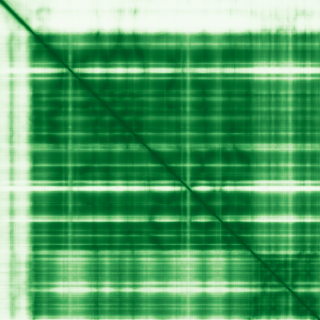
Predicted protein structure

Clinical relevance (Genomics England PanelApp)

Diagnostic Grade (Green)

  • Cystic kidney disease

    X-LINKED: hemizygous mutation in males, monoallelic mutations in females may cause disease (may be less severe, later onset than males)
  • Nephrocalcinosis or nephrolithiasis

    X-LINKED: hemizygous mutation in males, biallelic mutations in females
  • Proteinuric renal disease

    X-LINKED: hemizygous mutation in males, monoallelic mutations in females may cause disease (may be less severe, later onset than males)
  • Renal tubulopathies

    X-LINKED: hemizygous mutation in males, monoallelic mutations in females may cause disease (may be less severe, later onset than males)
  • Skeletal dysplasia

    X-LINKED: hemizygous mutation in males, biallelic mutations in females
  • Unexplained kidney failure in young people

    X-LINKED: hemizygous mutation in males, biallelic mutations in females
  • Hypophosphataemia or rickets

    X-LINKED: hemizygous mutation in males, biallelic mutations in females
  • Fetal anomalies

    X-LINKED: hemizygous mutation in males, biallelic mutations in females

+2 more panels — install the extension to see the full list inline on any page.

Disease associations (Open Targets)

  • Dent disease type 1

    0.85
  • Dent disease

    0.80
  • hypophosphatemic rickets, X-linked recessive

    0.76
  • proteinuria, low molecular weight, with hypercalciuria and nephrocalcinosis

    0.71
  • hypophosphatemic rickets

    0.55
  • hereditary disease

    0.49
  • nephrotic syndrome

    0.42
  • X-linked hypophosphatemia

    0.28
  • X-linked dominant hypophosphatemic rickets

    0.28
  • Low-molecular-weight proteinuria

    0.27

Score is the Open Targets composite evidence score (0-1). Higher = stronger gene-disease association.

Protein function (UniProt)

H(+)/Cl(-) exchange transporter 5

Proton-coupled chloride transporter. Functions as antiport system and exchanges chloride ions against protons (PubMed:20466723). Important for normal acidification of the endosome lumen. May play an important role in renal tubular function. The CLC channel family contains both chloride channels and proton-coupled anion transporters that exchange chloride or another anion for protons. The absence of conserved gating glutamate residues is typical for family members that function as channels (Probable)

Data sources: HGNC (CC BY 4.0), AlphaFold (CC BY 4.0, Jumper et al. Nature 2021), Genomics England PanelApp (CC BY 4.0), ClinGen, Open Targets (CC0), UniProt.

Not for sole clinical decision-making. Always verify against primary sources.