Skip to content
GenoLensGenoLens

CLDN19

Chr 1p34.2

claudin 19

MANE:
ENST00000296387.6

Annotations refreshed 1 month ago.

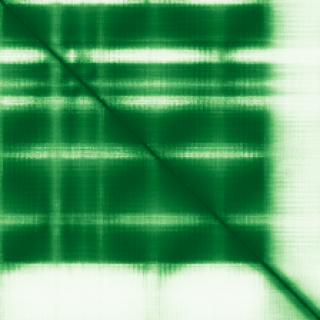
Predicted protein structure

Clinical relevance (Genomics England PanelApp)

Diagnostic Grade (Green)

  • DDG2P

    BIALLELIC, autosomal or pseudoautosomal
  • Likely inborn error of metabolism

    BIALLELIC, autosomal or pseudoautosomal
  • Nephrocalcinosis or nephrolithiasis

    BIALLELIC, autosomal or pseudoautosomal
  • Ocular coloboma

    BIALLELIC, autosomal or pseudoautosomal
  • Renal tubulopathies

    BIALLELIC, autosomal or pseudoautosomal
  • Structural eye disease

    BIALLELIC, autosomal or pseudoautosomal
  • Undiagnosed metabolic disorders

    BIALLELIC, autosomal or pseudoautosomal
  • Amelogenesis imperfecta

    BIALLELIC, autosomal or pseudoautosomal

+4 more panels — install the extension to see the full list inline on any page.

Disease associations (Open Targets)

  • renal hypomagnesemia 5 with ocular involvement

    0.81
  • nephrocalcinosis

    0.26
  • nephrolithiasis

    0.26
  • hereditary disease

    0.19
  • mixed connective tissue disease

    0.09
  • Brugada syndrome

    0.07
  • genetic developmental and epileptic encephalopathy

    0.07
  • undetermined early-onset epileptic encephalopathy

    0.06
  • spinocerebellar ataxia type 4

    0.06
  • Romano-Ward syndrome

    0.06

Score is the Open Targets composite evidence score (0-1). Higher = stronger gene-disease association.

Protein function (UniProt)

Claudin-19

Forms paracellular channels: coassembles with CLDN16 into tight junction strands with cation-selective channels through the strands, conveying epithelial permeability in a process known as paracellular tight junction permeability (PubMed:18188451, PubMed:28028216). Involved in the maintenance of ion gradients along the nephron. In the thick ascending limb (TAL) of Henle's loop, facilitates sodium paracellular permeability from the interstitial compartment to the lumen, contributing to the lumen-positive transepithelial potential that drives paracellular magnesium and calcium reabsorption (By similarity) (PubMed:17033971, PubMed:25555744). Forms paracellular barriers on its own. In the peripheral nervous system, represents a major constituent of the tight junctions in Schwann cells and contributes to electrical sealing. During retinal neurogenesis, may regulate the barrier properties of tight junctions in retinal pigment epithelium, required for proper retinal tissue differentiation and vision (By similarity) (PubMed:17033971, PubMed:30937396)

Data sources: HGNC (CC BY 4.0), AlphaFold (CC BY 4.0, Jumper et al. Nature 2021), Genomics England PanelApp (CC BY 4.0), ClinGen, Open Targets (CC0), UniProt.

Not for sole clinical decision-making. Always verify against primary sources.