
AlphaFold predicted structure
CLN8 · Q9UBY8
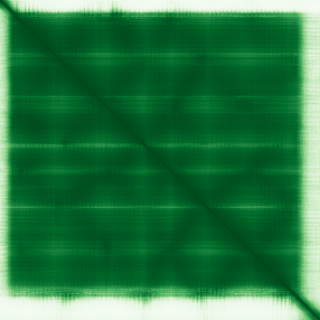
Mean pLDDT
90.1/ 100
Very high
286 residues
Confidence breakdown
- Very high(≥ 90)83%
- Confident(70–90)6%
- Low(50–70)1%
- Very low(< 50)11%
Open interactive 3D viewer
AlphaFold (Jumper et al., 2021) · CC BY 4.0
CLN8 transmembrane ER and ERGIC protein
Annotations refreshed 3 months ago.
Diagnostic Grade (Green)
DDG2P
BIALLELIC, autosomal or pseudoautosomalEarly onset or syndromic epilepsy
BIALLELIC, autosomal or pseudoautosomalIntellectual disability
BIALLELIC, autosomal or pseudoautosomalLikely inborn error of metabolism
BIALLELIC, autosomal or pseudoautosomalLysosomal storage disorder
BIALLELIC, autosomal or pseudoautosomalNeuronal ceroid lipofuscinosis
BIALLELIC, autosomal or pseudoautosomalRetinal disorders
BIALLELIC, autosomal or pseudoautosomalUndiagnosed metabolic disorders
BIALLELIC, autosomal or pseudoautosomal+5 more panels — install the extension to see the full list inline on any page.
CLN8 disease
neuronal ceroid lipofuscinosis 8
neuronal ceroid lipofuscinosis 8 northern epilepsy variant
Progressive epilepsy - intellectual disability, Finnish type
neuronal ceroid lipofuscinosis
late infantile neuronal ceroid lipofuscinosis
juvenile neuronal ceroid lipofuscinosis
hereditary disease
infantile neuronal ceroid lipofuscinosis
hypertensive disorder
Score is the Open Targets composite evidence score (0-1). Higher = stronger gene-disease association.
Protein CLN8
Could play a role in cell proliferation during neuronal differentiation and in protection against cell death
CLN8 · Q9UBY8
Mean pLDDT
90.1/ 100
Very high
286 residues
Confidence breakdown
AlphaFold (Jumper et al., 2021) · CC BY 4.0