Skip to content
GenoLensGenoLens

CLTC

Chr 17q23.1

clathrin heavy chain

Aliases:
Hc
MANE:
ENST00000269122.8

Annotations refreshed 11 hours ago.

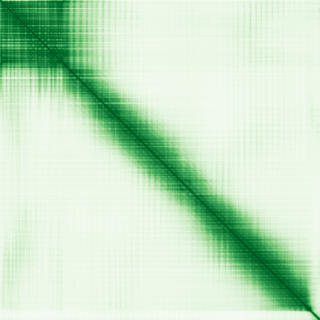
Predicted protein structure

Clinical relevance (Genomics England PanelApp)

Diagnostic Grade (Green)

  • DDG2P

    MONOALLELIC, autosomal or pseudoautosomal, imprinted status unknown
  • Early onset or syndromic epilepsy

    MONOALLELIC, autosomal or pseudoautosomal, imprinted status unknown
  • Fetal anomalies

    MONOALLELIC, autosomal or pseudoautosomal, NOT imprinted
  • Intellectual disability

    MONOALLELIC, autosomal or pseudoautosomal, imprinted status unknown

Disease associations (Open Targets)

  • intellectual disability, autosomal dominant 56

    0.79
  • cancer

    0.58
  • hereditary disease

    0.54
  • Alzheimer disease

    0.47
  • neurodegenerative disease

    0.46
  • Parkinson disease

    0.46
  • lysosomal storage disease

    0.46
  • multiple sclerosis

    0.46
  • autosomal dominant non-syndromic intellectual disability

    0.45
  • Intellectual disability

    0.39

Score is the Open Targets composite evidence score (0-1). Higher = stronger gene-disease association.

Protein function (UniProt)

Clathrin heavy chain 1

Clathrin is the major protein of the polyhedral coat of coated pits and vesicles. Two different adapter protein complexes link the clathrin lattice either to the plasma membrane or to the trans-Golgi network. Acts as a component of the TACC3/ch-TOG/clathrin complex proposed to contribute to stabilization of kinetochore fibers of the mitotic spindle by acting as inter-microtubule bridge (PubMed:15858577, PubMed:16968737, PubMed:21297582). The TACC3/ch-TOG/clathrin complex is required for the maintenance of kinetochore fiber tension (PubMed:23532825). Plays a role in early autophagosome formation (PubMed:20639872). Interaction with DNAJC6 mediates the recruitment of HSPA8 to the clathrin lattice and creates local destabilization of the lattice promoting uncoating (By similarity)

Data sources: HGNC (CC BY 4.0), AlphaFold (CC BY 4.0, Jumper et al. Nature 2021), Genomics England PanelApp (CC BY 4.0), ClinGen, Open Targets (CC0), UniProt.

Not for sole clinical decision-making. Always verify against primary sources.