Skip to content
GenoLensGenoLens

COX15

Chr 10q24.2

cytochrome c oxidase assembly factor COX15

Aliases:
CEMCOX2
MANE:
ENST00000016171.6

Annotations refreshed 1 month ago.

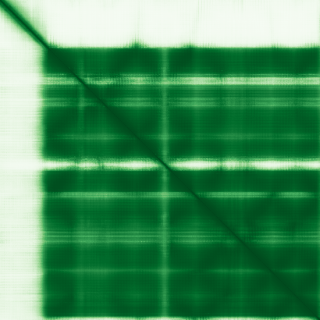
Predicted protein structure

Clinical relevance (Genomics England PanelApp)

Diagnostic Grade (Green)

  • Childhood onset dystonia, chorea or related movement disorder

    BIALLELIC, autosomal or pseudoautosomal
  • DDG2P

    BIALLELIC, autosomal or pseudoautosomal
  • Inherited white matter disorders

    BIALLELIC, autosomal or pseudoautosomal
  • Intellectual disability

    BIALLELIC, autosomal or pseudoautosomal
  • Likely inborn error of metabolism

    BIALLELIC, autosomal or pseudoautosomal
  • Mitochondrial disorder with complex IV deficiency

    BIALLELIC, autosomal or pseudoautosomal
  • Mitochondrial disorders

    BIALLELIC, autosomal or pseudoautosomal
  • Paediatric or syndromic cardiomyopathy

    BIALLELIC, autosomal or pseudoautosomal

+8 more panels — install the extension to see the full list inline on any page.

Disease associations (Open Targets)

  • fatal infantile encephalocardiomyopathy

    0.78
  • Leigh syndrome

    0.66
  • hereditary disease

    0.45
  • mitochondrial disease

    0.37
  • inborn mitochondrial metabolism disorder

    0.37
  • Isolated cytochrome C oxidase deficiency

    0.37
  • leigh syndrome due to mitochondrial complex iv deficiency

    0.37
  • neurodegenerative disease

    0.26
  • diverticular disease

    0.19
  • cardiomyopathy

    0.12

Score is the Open Targets composite evidence score (0-1). Higher = stronger gene-disease association.

Protein function (UniProt)

Heme A synthase COX15

Catalyzes the second reaction in the biosynthesis of heme A, a prosthetic group of mitochondrial cytochrome c oxidase (CcO) (PubMed:12474143). Heme A is synthesized from heme B by two sequential enzymatic reactions catalyzed by heme O synthase (HOS) and heme A synthase (HAS). HAS catalyzes the conversion of heme O to heme A by two successive hydroxylations of the methyl group at C8, in a reaction that involves matrix ferredoxin and ferredoxin reductase. The first hydroxylation forms heme I, the second hydroxylation results in an unstable dihydroxymethyl group, which spontaneously dehydrates, resulting in the formyl group of heme A (By similarity)

Data sources: HGNC (CC BY 4.0), AlphaFold (CC BY 4.0, Jumper et al. Nature 2021), Genomics England PanelApp (CC BY 4.0), ClinGen, Open Targets (CC0), UniProt.

Not for sole clinical decision-making. Always verify against primary sources.