
AlphaFold predicted structure
CP · P00450
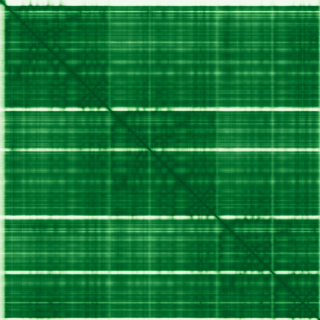
Mean pLDDT
93.7/ 100
Very high
1,065 residues
Confidence breakdown
- Very high(≥ 90)90%
- Confident(70–90)5%
- Low(50–70)3%
- Very low(< 50)2%
Open interactive 3D viewer
AlphaFold (Jumper et al., 2021) · CC BY 4.0
ceruloplasmin
Annotations refreshed 3 months ago.
Diagnostic Grade (Green)
Adult onset dystonia, chorea or related movement disorder
BIALLELIC, autosomal or pseudoautosomalAdult onset neurodegenerative disorder
BIALLELIC, autosomal or pseudoautosomalAtaxia and cerebellar anomalies - narrow panel
BIALLELIC, autosomal or pseudoautosomalEarly onset dystonia
BIALLELIC, autosomal or pseudoautosomalHereditary ataxia
BIALLELIC, autosomal or pseudoautosomalHereditary ataxia with onset in adulthood
BIALLELIC, autosomal or pseudoautosomalIron metabolism disorders - NOT common HFE mutations
BIALLELIC, autosomal or pseudoautosomalLikely inborn error of metabolism
BIALLELIC, autosomal or pseudoautosomal+5 more panels — install the extension to see the full list inline on any page.
aceruloplasminemia
cerebellar ataxia
Hermansky-Pudlak syndrome 3
Hermansky-Pudlak syndrome
neurodegeneration with brain iron accumulation
Dystonia
infantile epileptic encephalopathy
hereditary disease
alcohol drinking
ovarian dysfunction
Score is the Open Targets composite evidence score (0-1). Higher = stronger gene-disease association.
Ceruloplasmin
Multifunctional blue, copper-binding (6-7 atoms per molecule) glycoprotein. It has ferroxidase activity oxidizing Fe(2+) to Fe(3+) without releasing radical oxygen species. It is involved in iron transport across the cell membrane (PubMed:16150804). Copper ions provide a large number of enzymatic activites. Oxidizes highly toxic ferrous ions to the ferric state for further incorporation onto apo-transferrins, catalyzes Cu(+) oxidation and promotes the oxidation of biogenic amines such as norepinephrin and serotonin (PubMed:14623105, PubMed:4643313, PubMed:5912351). Provides Cu(2+) ions for the ascorbate-mediated deaminase degradation of the heparan sulfate chains of GPC1 (By similarity). Has glutathione peroxidase-like activity, can remove both hydrogen peroxide and lipid hydroperoxide in the presence of thiols (PubMed:10481051). Acts as an inhibitor of the peroxidase activity of MPO (By similarity). Also shows NO-oxidase and NO2 synthase activities that determine endocrine NO homeostasis (PubMed:16906150)
Curated MONDO disease pages that list CP among their top associated genes.
CP · P00450
Mean pLDDT
93.7/ 100
Very high
1,065 residues
Confidence breakdown
AlphaFold (Jumper et al., 2021) · CC BY 4.0