
AlphaFold predicted structure
CPT1C · Q8TCG5
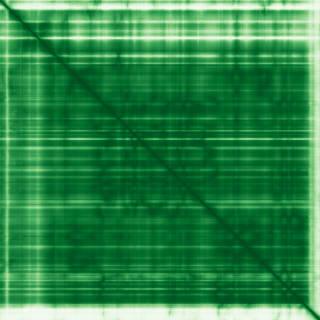
Mean pLDDT
88.6/ 100
Confident
803 residues
Confidence breakdown
- Very high(≥ 90)74%
- Confident(70–90)17%
- Low(50–70)3%
- Very low(< 50)7%
Open interactive 3D viewer
AlphaFold (Jumper et al., 2021) · CC BY 4.0
carnitine palmitoyltransferase 1C
Annotations refreshed 2 months ago.
Diagnostic Grade (Green)
Adult onset hereditary spastic paraplegia
MONOALLELIC, autosomal or pseudoautosomal, imprinted status unknownChildhood onset hereditary spastic paraplegia
MONOALLELIC, autosomal or pseudoautosomal, imprinted status unknownhereditary spastic paraplegia 73
neurodegenerative disease
hypothyroidism
thyroid gland disorder
skull disorder
myxedema
hereditary spastic paraplegia
skin cancer
Spastic paraplegia
self-injurious ideation
Score is the Open Targets composite evidence score (0-1). Higher = stronger gene-disease association.
Palmitoyl thioesterase CPT1C
Palmitoyl thioesterase specifically expressed in the endoplasmic reticulum of neurons. Modulates the trafficking of the glutamate receptor, AMPAR, to plasma membrane through depalmitoylation of GRIA1 (PubMed:30135643). Also regulates AMPR trafficking through the regulation of SACM1L phosphatidylinositol-3-phosphatase activity by interaction in a malonyl-CoA dependent manner (By similarity). Binds malonyl-CoA and couples malonyl-CoA to ceramide levels, necessary for proper spine maturation and contributing to systemic energy homeostasis and appetite control (PubMed:16651524). Binds to palmitoyl-CoA, but does not have carnitine palmitoyltransferase 1 catalytic activity or at very low levels (PubMed:25751282, PubMed:30135643)
CPT1C · Q8TCG5
Mean pLDDT
88.6/ 100
Confident
803 residues
Confidence breakdown
AlphaFold (Jumper et al., 2021) · CC BY 4.0