
AlphaFold predicted structure
CR2 · P20023
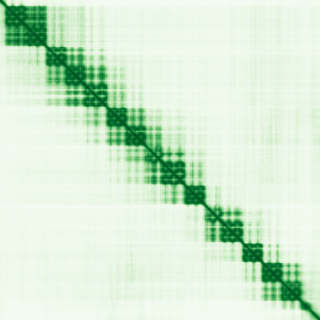
Mean pLDDT
74.9/ 100
Confident
1,033 residues
Confidence breakdown
- Very high(≥ 90)2%
- Confident(70–90)71%
- Low(50–70)21%
- Very low(< 50)6%
Open interactive 3D viewer
AlphaFold (Jumper et al., 2021) · CC BY 4.0
complement C3d receptor 2
Annotations refreshed 2 months ago.
Diagnostic Grade (Green)
COVID-19 research
BIALLELIC, autosomal or pseudoautosomalPrimary immunodeficiency or monogenic inflammatory bowel disease
BIALLELIC, autosomal or pseudoautosomalimmunodeficiency, common variable, 7
common variable immunodeficiency
systemic lupus erythematosus
Recurrent infections
recurrent infections associated with rare immunoglobulin isotypes deficiency
immunodeficiency, common variable, 2
urolithiasis
alcohol drinking
frozen shoulder
hereditary disease
Score is the Open Targets composite evidence score (0-1). Higher = stronger gene-disease association.
Complement receptor type 2
Serves as a receptor for various ligands including complement component CD3d, HNRNPU OR IFNA1 (PubMed:1849076, PubMed:21527715, PubMed:7753047). When C3d is bound to antigens, attaches to C3d on B-cell surface and thereby facilitates the recognition and uptake of antigens by B-cells (PubMed:21527715). This interaction enhances B-cell activation and subsequent immune responses. Forms a complex with several partners on the surface of B-cells including CD19, FCRL5 and CD81, to form the B-cell coreceptor complex that plays a crucial role in B-cell activation and signaling (PubMed:1383329, PubMed:30107486). Also induces specific intracellular signaling separately from the BCR and CD19 by activating the tyrosine kinase SRC, which then phosphorylates nucleolin/NCL and triggers AKT and GSK3 kinase activities in a SYK/CD19-independent manner (PubMed:12938232). Acts as a ligand for CD23 (FcepsilonRII), a low-affinity receptor for IgE, which is expressed on B-cells and other immune cells, and thus participates in the regulation of IgE production (PubMed:1386409)
CR2 · P20023
Mean pLDDT
74.9/ 100
Confident
1,033 residues
Confidence breakdown
AlphaFold (Jumper et al., 2021) · CC BY 4.0