Skip to content
GenoLensGenoLens

CRYAA

Chr 21q22.3

crystallin alpha A

Aliases:
HSPB4
MANE:
ENST00000291554.6

Annotations refreshed 10 hours ago.

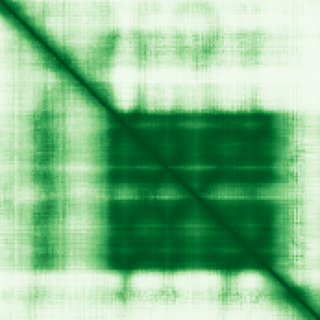
Predicted protein structure

Clinical relevance (Genomics England PanelApp)

Diagnostic Grade (Green)

  • Bilateral congenital or childhood onset cataracts

    BOTH monoallelic and biallelic, autosomal or pseudoautosomal
  • DDG2P

    BOTH monoallelic and biallelic, autosomal or pseudoautosomal
  • Fetal anomalies

    BOTH monoallelic and biallelic, autosomal or pseudoautosomal
  • Structural eye disease

    BOTH monoallelic and biallelic, autosomal or pseudoautosomal
  • Intellectual disability

    BIALLELIC, autosomal or pseudoautosomal

Disease associations (Open Targets)

  • Cataract-microcornea syndrome

    0.78
  • cataract 9 multiple types

    0.75
  • nuclear cataract

    0.60
  • Developmental cataract

    0.56
  • early-onset non-syndromic cataract

    0.53
  • Total congenital cataract

    0.40
  • Anterior polar cataract

    0.40
  • early-onset nuclear cataract

    0.40
  • cataract - microcornea syndrome

    0.39
  • microphthalmia

    0.39

Score is the Open Targets composite evidence score (0-1). Higher = stronger gene-disease association.

Protein function (UniProt)

Alpha-crystallin A chain

Contributes to the transparency and refractive index of the lens (PubMed:18302245). In its oxidized form (absence of intramolecular disulfide bond), acts as a chaperone, preventing aggregation of various proteins under a wide range of stress conditions (PubMed:18199971, PubMed:19595763, PubMed:22120592, PubMed:31792453). Required for the correct formation of lens intermediate filaments as part of a complex composed of BFSP1, BFSP2 and CRYAA (PubMed:28935373)

Data sources: HGNC (CC BY 4.0), AlphaFold (CC BY 4.0, Jumper et al. Nature 2021), Genomics England PanelApp (CC BY 4.0), ClinGen, Open Targets (CC0), UniProt.

Not for sole clinical decision-making. Always verify against primary sources.