Skip to content
GenoLensGenoLens

CRYBA1

Chr 17q11.2

crystallin beta A1

MANE:
ENST00000225387.8

Annotations refreshed 10 hours ago.

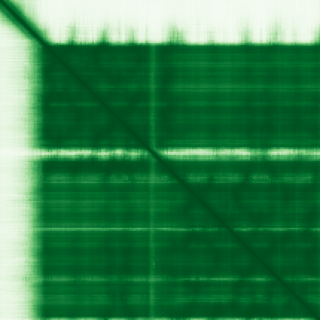
Predicted protein structure

Clinical relevance (Genomics England PanelApp)

Diagnostic Grade (Green)

  • Bilateral congenital or childhood onset cataracts

    MONOALLELIC, autosomal or pseudoautosomal, imprinted status unknown
  • DDG2P

    MONOALLELIC, autosomal or pseudoautosomal, imprinted status unknown
  • Fetal anomalies

    MONOALLELIC, autosomal or pseudoautosomal, imprinted status unknown
  • Intellectual disability

    MONOALLELIC, autosomal or pseudoautosomal, imprinted status unknown
  • Structural eye disease

    MONOALLELIC, autosomal or pseudoautosomal, NOT imprinted

Disease associations (Open Targets)

  • Cataract with Y-shaped suture opacities

    0.75
  • Posterior polar cataract

    0.69
  • early-onset non-syndromic cataract

    0.68
  • hereditary disease

    0.41
  • cataract

    0.40
  • early-onset nuclear cataract

    0.40
  • early-onset posterior polar cataract

    0.37
  • early-onset sutural cataract

    0.37
  • type 2 diabetes mellitus

    0.31
  • major depressive disorder

    0.29

Score is the Open Targets composite evidence score (0-1). Higher = stronger gene-disease association.

Protein function (UniProt)

Beta-crystallin A3

Crystallins are the dominant structural components of the vertebrate eye lens

Curated MONDO disease pages that list CRYBA1 among their top associated genes.

Data sources: HGNC (CC BY 4.0), AlphaFold (CC BY 4.0, Jumper et al. Nature 2021), Genomics England PanelApp (CC BY 4.0), ClinGen, Open Targets (CC0), UniProt.

Not for sole clinical decision-making. Always verify against primary sources.