Skip to content
GenoLensGenoLens

CRYBB1

Chr 22q12.1

crystallin beta B1

MANE:
ENST00000647684.1

Annotations refreshed 10 hours ago.

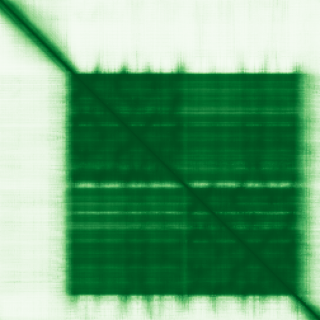
Predicted protein structure

Clinical relevance (Genomics England PanelApp)

Diagnostic Grade (Green)

  • Bilateral congenital or childhood onset cataracts

    BOTH monoallelic and biallelic, autosomal or pseudoautosomal
  • DDG2P

    BOTH monoallelic and biallelic, autosomal or pseudoautosomal
  • Fetal anomalies

    BOTH monoallelic and biallelic, autosomal or pseudoautosomal
  • Structural eye disease

    BOTH monoallelic and biallelic, autosomal or pseudoautosomal
  • Intellectual disability

    BIALLELIC, autosomal or pseudoautosomal

Disease associations (Open Targets)

  • early-onset non-syndromic cataract

    0.68
  • early-onset nuclear cataract

    0.56
  • Cataract-microcornea syndrome

    0.38
  • cataract - microcornea syndrome

    0.38
  • pulverulent cataract

    0.37
  • alcohol drinking

    0.36
  • neurodegenerative disease

    0.35
  • Developmental cataract

    0.29
  • bacterial arthritis

    0.21
  • adverse effect

    0.21

Score is the Open Targets composite evidence score (0-1). Higher = stronger gene-disease association.

Protein function (UniProt)

Beta-crystallin B1

Crystallins are the dominant structural components of the vertebrate eye lens

Curated MONDO disease pages that list CRYBB1 among their top associated genes.

Data sources: HGNC (CC BY 4.0), AlphaFold (CC BY 4.0, Jumper et al. Nature 2021), Genomics England PanelApp (CC BY 4.0), ClinGen, Open Targets (CC0), UniProt.

Not for sole clinical decision-making. Always verify against primary sources.