Skip to content
GenoLensGenoLens

CSF3R

Chr 1p34.3

colony stimulating factor 3 receptor

Aliases:
GCSFR, G-CSF-R
MANE:
ENST00000373106.6

Annotations refreshed 1 month ago.

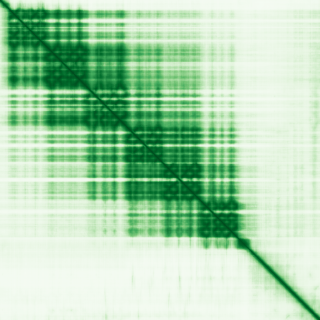
Predicted protein structure

Clinical relevance (Genomics England PanelApp)

Diagnostic Grade (Green)

  • COVID-19 research

    BIALLELIC, autosomal or pseudoautosomal
  • Cytopenia - NOT Fanconi anaemia

    BIALLELIC, autosomal or pseudoautosomal
  • Cytopenias and congenital anaemias

    BIALLELIC, autosomal or pseudoautosomal
  • Monitoring for G(M)CSF escape mutations

    BIALLELIC, autosomal or pseudoautosomal
  • Primary immunodeficiency or monogenic inflammatory bowel disease

    BIALLELIC, autosomal or pseudoautosomal
  • Haematological malignancies cancer susceptibility

    MONOALLELIC, autosomal or pseudoautosomal, imprinted status unknown

Disease associations (Open Targets)

  • autosomal recessive severe congenital neutropenia due to CSF3R deficiency

    0.78
  • myelodysplastic syndrome

    0.64
  • neoplasm

    0.63
  • hereditary neutrophilia

    0.61
  • neutropenia

    0.60
  • cancer

    0.60
  • severe congenital neutropenia

    0.58
  • aplastic anemia

    0.56
  • acute myeloid leukemia

    0.54
  • infection

    0.53

Score is the Open Targets composite evidence score (0-1). Higher = stronger gene-disease association.

Protein function (UniProt)

Granulocyte colony-stimulating factor receptor

Receptor for granulocyte colony-stimulating factor (CSF3), essential for granulocytic maturation. Plays a crucial role in the proliferation, differentiation and survival of cells along the neutrophilic lineage. In addition it may function in some adhesion or recognition events at the cell surface

Curated MONDO disease pages that list CSF3R among their top associated genes.

Data sources: HGNC (CC BY 4.0), AlphaFold (CC BY 4.0, Jumper et al. Nature 2021), Genomics England PanelApp (CC BY 4.0), ClinGen, Open Targets (CC0), UniProt.

Not for sole clinical decision-making. Always verify against primary sources.