
AlphaFold predicted structure
CST3 · P01034
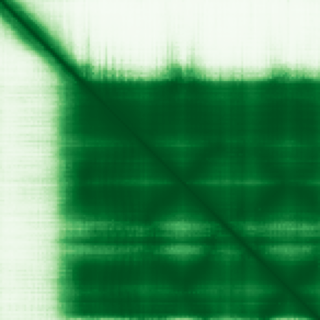
Mean pLDDT
88.7/ 100
Confident
146 residues
Confidence breakdown
- Very high(≥ 90)66%
- Confident(70–90)19%
- Low(50–70)14%
- Very low(< 50)1%
Open interactive 3D viewer
AlphaFold (Jumper et al., 2021) · CC BY 4.0
cystatin C
Annotations refreshed 3 months ago.
Diagnostic Grade (Green)
Adult onset leukodystrophy
MONOALLELIC, autosomal or pseudoautosomal, NOT imprintedAdult onset neurodegenerative disorder
MONOALLELIC, autosomal or pseudoautosomal, NOT imprintedHereditary systemic amyloidosis
MONOALLELIC, autosomal or pseudoautosomal, NOT imprintedFamilial cerebral small vessel disease
MONOALLELIC, autosomal or pseudoautosomal, NOT imprintedPeriodic fever syndromes
MONOALLELIC, autosomal or pseudoautosomal, NOT imprintedACys amyloidosis
Hereditary cerebral hemorrhage with amyloidosis
Hereditary cerebral hemorrhage with amyloidosis, Icelandic type
AL amyloidosis
age-related macular degeneration
age related macular degeneration 11
leukodystrophy, adult-onset, autosomal dominant, without amyloid angiopathy
cerebral amyloid angiopathy
aging
leukodystrophy
Score is the Open Targets composite evidence score (0-1). Higher = stronger gene-disease association.
Cystatin-C
As an inhibitor of cysteine proteinases, this protein is thought to serve an important physiological role as a local regulator of this enzyme activity
CST3 · P01034
Mean pLDDT
88.7/ 100
Confident
146 residues
Confidence breakdown
AlphaFold (Jumper et al., 2021) · CC BY 4.0