
AlphaFold predicted structure
CSTA · P01040
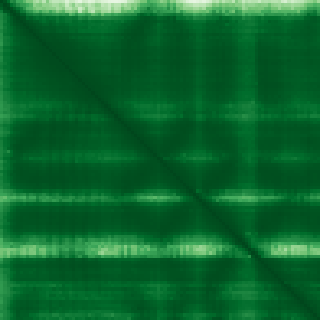
Mean pLDDT
93.2/ 100
Very high
98 residues
Confidence breakdown
- Very high(≥ 90)83%
- Confident(70–90)14%
- Low(50–70)3%
- Very low(< 50)0%
Open interactive 3D viewer
AlphaFold (Jumper et al., 2021) · CC BY 4.0
cystatin A
Annotations refreshed 3 months ago.
Diagnostic Grade (Green)
DDG2P
BIALLELIC, autosomal or pseudoautosomalEpidermolysis bullosa and congenital skin fragility
BIALLELIC, autosomal or pseudoautosomalIchthyosis and erythrokeratoderma
BIALLELIC, autosomal or pseudoautosomalPalmoplantar keratodermas
BIALLELIC, autosomal or pseudoautosomalPeeling skin syndrome
BIALLELIC, autosomal or pseudoautosomalRare genetic inflammatory skin disorders
BIALLELIC, autosomal or pseudoautosomalFetal anomalies
BIALLELIC, autosomal or pseudoautosomalpeeling skin syndrome 4
exfoliative ichthyosis
acral peeling skin syndrome
Hyperkeratosis
Palmoplantar hyperkeratosis
Erythema
ichthyosis
Skin erosion
Hyperhidrosis
exfoliative dermatitis
Score is the Open Targets composite evidence score (0-1). Higher = stronger gene-disease association.
Cystatin-A
This is an intracellular thiol proteinase inhibitor. Has an important role in desmosome-mediated cell-cell adhesion in the lower levels of the epidermis
CSTA · P01040
Mean pLDDT
93.2/ 100
Very high
98 residues
Confidence breakdown
AlphaFold (Jumper et al., 2021) · CC BY 4.0