
AlphaFold predicted structure
CTDP1 · Q9Y5B0
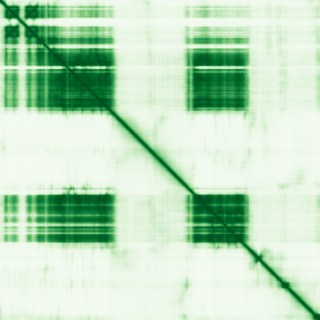
Mean pLDDT
63.7/ 100
Low
961 residues
Confidence breakdown
- Very high(≥ 90)31%
- Confident(70–90)16%
- Low(50–70)7%
- Very low(< 50)47%
Open interactive 3D viewer
AlphaFold (Jumper et al., 2021) · CC BY 4.0
CTD phosphatase 1
Annotations refreshed 2 months ago.
Diagnostic Grade (Green)
DDG2P
BIALLELIC, autosomal or pseudoautosomalHereditary neuropathy
BIALLELIC, autosomal or pseudoautosomalHereditary neuropathy or pain disorder
BIALLELIC, autosomal or pseudoautosomalIntellectual disability
BIALLELIC, autosomal or pseudoautosomalBilateral congenital or childhood onset cataracts
Fetal anomalies
BIALLELIC, autosomal or pseudoautosomalVici Syndrome and other autophagy disorders
BIALLELIC, autosomal or pseudoautosomalArthrogryposis
+1 more panels — install the extension to see the full list inline on any page.
Congenital cataracts - facial dysmorphism - neuropathy
congenital cataracts-facial dysmorphism-neuropathy syndrome
HIV infectious disease
neurodegenerative disease
autoimmune disorder of central nervous system
smoking initiation
Charcot-Marie-Tooth disease
ovarian dysfunction
stroke disorder
cervical carcinoma
Score is the Open Targets composite evidence score (0-1). Higher = stronger gene-disease association.
RNA polymerase II subunit A C-terminal domain phosphatase
Processively dephosphorylates 'Ser-2' and 'Ser-5' of the heptad repeats YSPTSPS in the C-terminal domain of the largest RNA polymerase II subunit. This promotes the activity of RNA polymerase II. Plays a role in the exit from mitosis by dephosphorylating crucial mitotic substrates (USP44, CDC20 and WEE1) that are required for M-phase-promoting factor (MPF)/CDK1 inactivation
Curated MONDO disease pages that list CTDP1 among their top associated genes.
CTDP1 · Q9Y5B0
Mean pLDDT
63.7/ 100
Low
961 residues
Confidence breakdown
AlphaFold (Jumper et al., 2021) · CC BY 4.0