Skip to content
GenoLensGenoLens

CTLA4

Chr 2q33.2

cytotoxic T-lymphocyte associated protein 4

Aliases:
CD152, CD, GSE, CTLA-4
MANE:
ENST00000648405.2

Annotations refreshed 10 hours ago.

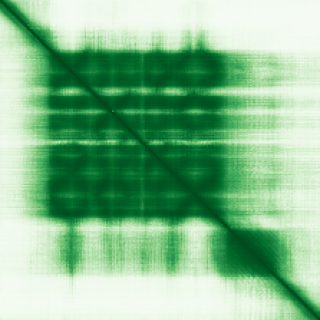
Predicted protein structure

Clinical relevance (Genomics England PanelApp)

Diagnostic Grade (Green)

  • COVID-19 research

    MONOALLELIC, autosomal or pseudoautosomal, NOT imprinted
  • Gastrointestinal epithelial barrier disorders

    MONOALLELIC, autosomal or pseudoautosomal, imprinted status unknown
  • Infantile enterocolitis & monogenic inflammatory bowel disease

    MONOALLELIC, autosomal or pseudoautosomal, imprinted status unknown
  • Intestinal failure or congenital diarrhoea

    MONOALLELIC, autosomal or pseudoautosomal, imprinted status unknown
  • Primary immunodeficiency or monogenic inflammatory bowel disease

    MONOALLELIC, autosomal or pseudoautosomal, NOT imprinted
  • Familial Meniere Disease

Disease associations (Open Targets)

  • autoimmune lymphoproliferative syndrome due to CTLA4 haploinsufficiency

    0.80
  • Hashimoto thyroiditis

    0.67
  • systemic lupus erythematosus

    0.62
  • melanoma

    0.61
  • non-small cell lung carcinoma

    0.61
  • hepatocellular carcinoma

    0.61
  • rheumatoid arthritis

    0.60
  • hypothyroidism

    0.59
  • type 1 diabetes mellitus

    0.59
  • Graves disease

    0.58

Score is the Open Targets composite evidence score (0-1). Higher = stronger gene-disease association.

Protein function (UniProt)

Cytotoxic T-lymphocyte protein 4

Inhibitory receptor acting as a major negative regulator of T-cell responses (PubMed:11279501, PubMed:11279502, PubMed:16551244, PubMed:1714933, PubMed:18641304, PubMed:28484017). Acts as a decoy receptor: the affinity of CTLA4 for its natural B7 family ligands, CD80 and CD86, is considerably stronger than the affinity of their cognate stimulatory coreceptor CD28 (PubMed:11279501, PubMed:11279502, PubMed:16551244, PubMed:1714933, PubMed:28484017)

Curated MONDO disease pages that list CTLA4 among their top associated genes.

Data sources: HGNC (CC BY 4.0), AlphaFold (CC BY 4.0, Jumper et al. Nature 2021), Genomics England PanelApp (CC BY 4.0), ClinGen, Open Targets (CC0), UniProt.

Not for sole clinical decision-making. Always verify against primary sources.