
AlphaFold predicted structure
CTSA · P10619
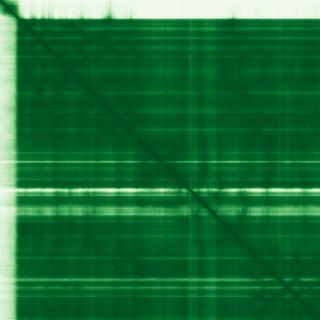
Mean pLDDT
94.5/ 100
Very high
480 residues
Confidence breakdown
- Very high(≥ 90)87%
- Confident(70–90)8%
- Low(50–70)4%
- Very low(< 50)1%
Open interactive 3D viewer
AlphaFold (Jumper et al., 2021) · CC BY 4.0
cathepsin A
Annotations refreshed 2 months ago.
Diagnostic Grade (Green)
Adult onset leukodystrophy
BIALLELIC, autosomal or pseudoautosomalAdult onset neurodegenerative disorder
MONOALLELIC, autosomal or pseudoautosomal, imprinted status unknownDDG2P
BIALLELIC, autosomal or pseudoautosomalFetal anomalies
BIALLELIC, autosomal or pseudoautosomalFetal hydrops
BIALLELIC, autosomal or pseudoautosomalIntellectual disability
BIALLELIC, autosomal or pseudoautosomalLikely inborn error of metabolism
BIALLELIC, autosomal or pseudoautosomalLysosomal storage disorder
BIALLELIC, autosomal or pseudoautosomal+4 more panels — install the extension to see the full list inline on any page.
galactosialidosis
cathepsin a-related arteriopathy-strokes-leukoencephalopathy
hereditary disease
Lysosomal disease
Lynch syndrome
Non-immune hydrops fetalis
Abnormality of prenatal development or birth
coronary artery disorder
prostate carcinoma
breast carcinoma
Score is the Open Targets composite evidence score (0-1). Higher = stronger gene-disease association.
Lysosomal protective protein
Protective protein appears to be essential for both the activity of beta-galactosidase and neuraminidase, it associates with these enzymes and exerts a protective function necessary for their stability and activity (PubMed:1907282). Also functions as an activator of the sialidase NEU1 (PubMed:37205763). This protein is also a carboxypeptidase and can deamidate tachykinins (PubMed:1694176, PubMed:1756715, PubMed:1907282)
CTSA · P10619
Mean pLDDT
94.5/ 100
Very high
480 residues
Confidence breakdown
AlphaFold (Jumper et al., 2021) · CC BY 4.0