
AlphaFold predicted structure
CTSC · P53634
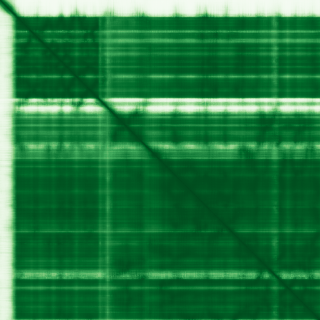
Mean pLDDT
90.1/ 100
Very high
463 residues
Confidence breakdown
- Very high(≥ 90)78%
- Confident(70–90)12%
- Low(50–70)4%
- Very low(< 50)6%
Open interactive 3D viewer
AlphaFold (Jumper et al., 2021) · CC BY 4.0
cathepsin C
Annotations refreshed 3 months ago.
Diagnostic Grade (Green)
COVID-19 research
BIALLELIC, autosomal or pseudoautosomalLikely inborn error of metabolism
BIALLELIC, autosomal or pseudoautosomalPalmoplantar keratoderma and erythrokeratodermas
BIALLELIC, autosomal or pseudoautosomalPalmoplantar keratodermas
BIALLELIC, autosomal or pseudoautosomalPrimary immunodeficiency or monogenic inflammatory bowel disease
BIALLELIC, autosomal or pseudoautosomalSkeletal dysplasia
BIALLELIC, autosomal or pseudoautosomalUndiagnosed metabolic disorders
BIALLELIC, autosomal or pseudoautosomalChildhood onset dystonia, chorea or related movement disorder
+1 more panels — install the extension to see the full list inline on any page.
Papillon-Lefèvre syndrome
Haim-Munk syndrome
Papillon-Lefevre disease
periodontitis, aggressive 1
periodontitis
chronic periodontitis
bronchiectasis
Palmoplantar keratoderma
hereditary palmoplantar keratoderma
epidermolytic palmoplantar keratoderma, 1
Score is the Open Targets composite evidence score (0-1). Higher = stronger gene-disease association.
Dipeptidyl peptidase 1
Thiol protease (PubMed:1586157). Has dipeptidylpeptidase activity (PubMed:1586157). Active against a broad range of dipeptide substrates composed of both polar and hydrophobic amino acids (PubMed:1586157). Proline cannot occupy the P1 position and arginine cannot occupy the P2 position of the substrate (PubMed:1586157). Can act as both an exopeptidase and endopeptidase (PubMed:1586157). Activates serine proteases such as elastase, cathepsin G and granzymes A and B (PubMed:8428921)
CTSC · P53634
Mean pLDDT
90.1/ 100
Very high
463 residues
Confidence breakdown
AlphaFold (Jumper et al., 2021) · CC BY 4.0