Skip to content
GenoLensGenoLens

CXADR

Chr 21q21.1

CXADR cell adhesion molecule

Aliases:
CAR
MANE:
ENST00000284878.12

Annotations refreshed 9 hours ago.

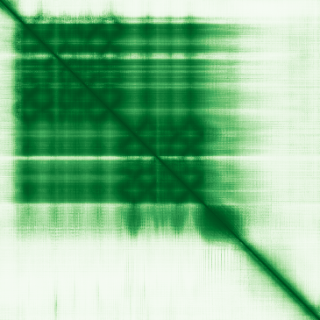
Predicted protein structure

Clinical relevance (Genomics England PanelApp)

Moderate Evidence (Amber)

  • COVID-19 research

    Unknown

Disease associations (Open Targets)

  • neurodegenerative disease

    0.37
  • Abnormality of the skeletal system

    0.34
  • atrial fibrillation

    0.33
  • osteoarthritis

    0.32
  • gastroesophageal reflux disease

    0.32
  • osteoarthritis, knee

    0.31
  • Age-related cataract

    0.30
  • osteoarthritis, hip

    0.30
  • placenta praevia

    0.29
  • hypertensive disorder

    0.29

Score is the Open Targets composite evidence score (0-1). Higher = stronger gene-disease association.

Protein function (UniProt)

Coxsackievirus and adenovirus receptor

Component of the epithelial apical junction complex that may function as a homophilic cell adhesion molecule and is essential for tight junction integrity. Also involved in transepithelial migration of leukocytes through adhesive interactions with JAML a transmembrane protein of the plasma membrane of leukocytes. The interaction between both receptors also mediates the activation of gamma-delta T-cells, a subpopulation of T-cells residing in epithelia and involved in tissue homeostasis and repair. Upon epithelial CXADR-binding, JAML induces downstream cell signaling events in gamma-delta T-cells through PI3-kinase and MAP kinases. It results in proliferation and production of cytokines and growth factors by T-cells that in turn stimulate epithelial tissues repair

Data sources: HGNC (CC BY 4.0), AlphaFold (CC BY 4.0, Jumper et al. Nature 2021), Genomics England PanelApp (CC BY 4.0), ClinGen, Open Targets (CC0), UniProt.

Not for sole clinical decision-making. Always verify against primary sources.