Skip to content
GenoLensGenoLens

CYP27B1

Chr 12q14.1

cytochrome P450 family 27 subfamily B member 1

Aliases:
CYP1, P450c1
MANE:
ENST00000228606.9

Annotations refreshed 9 hours ago.

Predicted protein structure

Clinical relevance (Genomics England PanelApp)

Diagnostic Grade (Green)

  • Hypophosphataemia or rickets

    BIALLELIC, autosomal or pseudoautosomal
  • Skeletal dysplasia

    BIALLELIC, autosomal or pseudoautosomal
  • Fetal anomalies

    BIALLELIC, autosomal or pseudoautosomal

Disease associations (Open Targets)

  • vitamin D-dependent rickets, type 1A

    0.82
  • Hypocalcemic vitamin D-dependent rickets

    0.77
  • vitamin D-dependent rickets, type 1

    0.64
  • hereditary disease

    0.42
  • rickets

    0.38
  • Abnormality of the skeletal system

    0.10
  • rheumatoid arthritis

    0.09
  • pyknoachondrogenesis

    0.09
  • X-linked osteoporosis with fractures

    0.09
  • type 1 diabetes mellitus

    0.09

Score is the Open Targets composite evidence score (0-1). Higher = stronger gene-disease association.

Protein function (UniProt)

25-hydroxyvitamin D-1 alpha hydroxylase, mitochondrial

A cytochrome P450 monooxygenase involved in vitamin D metabolism and in calcium and phosphorus homeostasis. Catalyzes the rate-limiting step in the activation of vitamin D in the kidney, namely the hydroxylation of 25-hydroxyvitamin D3/calcidiol at the C1alpha-position to form the hormonally active form of vitamin D3, 1alpha,25-dihydroxyvitamin D3/calcitriol that acts via the vitamin D receptor (VDR) (PubMed:10518789, PubMed:10566658, PubMed:12050193, PubMed:22862690, PubMed:9486994). Has 1alpha-hydroxylase activity on vitamin D intermediates of the CYP24A1-mediated inactivation pathway (PubMed:10518789, PubMed:22862690). Converts 24R,25-dihydroxyvitamin D3/secalciferol to 1-alpha,24,25-trihydroxyvitamin D3, an active ligand of VDR. Also active on 25-hydroxyvitamin D2 (PubMed:10518789). Mechanistically, uses molecular oxygen inserting one oxygen atom into a substrate, and reducing the second into a water molecule, with two electrons provided by NADPH via FDXR/adrenodoxin reductase and FDX1/adrenodoxin (PubMed:22862690)

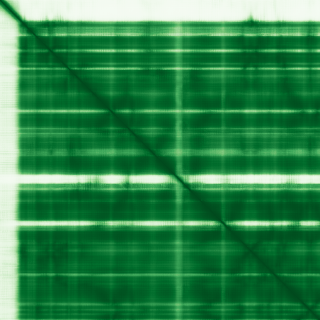
Data sources: HGNC (CC BY 4.0), AlphaFold (CC BY 4.0, Jumper et al. Nature 2021), Genomics England PanelApp (CC BY 4.0), ClinGen, Open Targets (CC0), UniProt.

Not for sole clinical decision-making. Always verify against primary sources.