AlphaFold predicted structure
DCAF17 · Q5H9S7
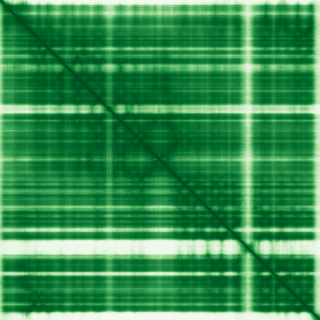
Mean pLDDT
87.1/ 100
Confident
520 residues
Confidence breakdown
- Very high(≥ 90)65%
- Confident(70–90)25%
- Low(50–70)6%
- Very low(< 50)5%
AlphaFold (Jumper et al., 2021) · CC BY 4.0
DDB1 and CUL4 associated factor 17
Annotations refreshed 1 month ago.
Diagnostic Grade (Green)
Adult onset dystonia, chorea or related movement disorder
BIALLELIC, autosomal or pseudoautosomalChildhood onset dystonia, chorea or related movement disorder
BIALLELIC, autosomal or pseudoautosomalEarly onset dystonia
BIALLELIC, autosomal or pseudoautosomalFamilial diabetes
BIALLELIC, autosomal or pseudoautosomalHypogonadotropic hypogonadism
BIALLELIC, autosomal or pseudoautosomalIntellectual disability
BIALLELIC, autosomal or pseudoautosomalMonogenic diabetes
BIALLELIC, autosomal or pseudoautosomalWhite matter disorders and cerebral calcification - narrow panel
BIALLELIC, autosomal or pseudoautosomal+4 more panels — install the extension to see the full list inline on any page.
Woodhouse-Sakati syndrome
Dystonia
neurodegeneration with brain iron accumulation
neurodegenerative disease
alcohol drinking
urolithiasis
hereditary disease
osteoarthritis, knee
hemiplegia
spermatogenic failure
Score is the Open Targets composite evidence score (0-1). Higher = stronger gene-disease association.
DDB1- and CUL4-associated factor 17
May function as a substrate receptor for CUL4-DDB1 E3 ubiquitin-protein ligase complex
DCAF17 · Q5H9S7

Mean pLDDT
87.1/ 100
Confident
520 residues
Confidence breakdown
AlphaFold (Jumper et al., 2021) · CC BY 4.0