
AlphaFold predicted structure
DCC · P43146
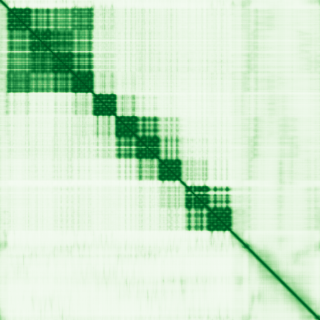
Mean pLDDT
68.2/ 100
Low
1,447 residues
Confidence breakdown
- Very high(≥ 90)25%
- Confident(70–90)39%
- Low(50–70)6%
- Very low(< 50)29%
Open interactive 3D viewer
AlphaFold (Jumper et al., 2021) · CC BY 4.0
DCC netrin 1 receptor
Annotations refreshed 2 months ago.
Diagnostic Grade (Green)
Childhood onset dystonia, chorea or related movement disorder
MONOALLELIC, autosomal or pseudoautosomal, NOT imprintedDDG2P
BIALLELIC, autosomal or pseudoautosomalFetal anomalies
BOTH monoallelic and biallelic, autosomal or pseudoautosomalSkeletal dysplasia
BIALLELIC, autosomal or pseudoautosomalAtaxia and cerebellar anomalies - narrow panel
BIALLELIC, autosomal or pseudoautosomalCerebellar hypoplasia
BIALLELIC, autosomal or pseudoautosomalEhlers Danlos syndrome with a likely monogenic cause
BIALLELIC, autosomal or pseudoautosomalIntellectual disability
BIALLELIC, autosomal or pseudoautosomal+4 more panels — install the extension to see the full list inline on any page.
mirror movements 1
horizontal gaze palsy with progressive scoliosis
mirror movements 1 and/or agenesis of the corpus callosum
Agenesis of corpus callosum
hereditary disease
autism spectrum disorder
smoking initiation
attention deficit-hyperactivity disorder
intelligence
colorectal cancer
Score is the Open Targets composite evidence score (0-1). Higher = stronger gene-disease association.
Netrin receptor DCC
Receptor for netrin required for axon guidance. Mediates axon attraction of neuronal growth cones in the developing nervous system upon ligand binding. Its association with UNC5 proteins may trigger signaling for axon repulsion. It also acts as a dependence receptor required for apoptosis induction when not associated with netrin ligand. Implicated as a tumor suppressor gene
Curated MONDO disease pages that list DCC among their top associated genes.
DCC · P43146
Mean pLDDT
68.2/ 100
Low
1,447 residues
Confidence breakdown
AlphaFold (Jumper et al., 2021) · CC BY 4.0