Skip to content
GenoLensGenoLens

DHX37

Chr 12q24.31

DEAH-box helicase 37

Aliases:
KIAA1517, MGC4322, MGC2695, Dhr1
MANE:
ENST00000308736.7

Annotations refreshed 10 hours ago.

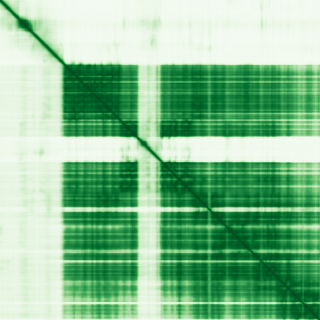
Predicted protein structure

Clinical relevance (Genomics England PanelApp)

Diagnostic Grade (Green)

  • Differences in sex development

    MONOALLELIC, autosomal or pseudoautosomal, NOT imprinted
  • Fetal anomalies

    BIALLELIC, autosomal or pseudoautosomal
  • Intellectual disability

    BIALLELIC, autosomal or pseudoautosomal
  • DDG2P

    BIALLELIC, autosomal or pseudoautosomal

Disease associations (Open Targets)

  • 46,XY sex reversal 11

    0.76
  • neurodevelopmental disorder with brain anomalies and with or without vertebral or cardiac anomalies

    0.67
  • Testicular regression syndrome

    0.66
  • neurodegenerative disease

    0.50
  • Alzheimer disease

    0.46
  • multiple sclerosis

    0.46
  • lysosomal storage disease

    0.46
  • Parkinson disease

    0.46
  • Intellectual disability

    0.39
  • Neurodevelopmental delay

    0.39

Score is the Open Targets composite evidence score (0-1). Higher = stronger gene-disease association.

Protein function (UniProt)

Probable ATP-dependent RNA helicase DHX37

ATP-binding RNA helicase that plays a role in maturation of the small ribosomal subunit in ribosome biogenesis (PubMed:30582406). Required for the release of the U3 snoRNP from pre-ribosomal particles (PubMed:30582406). Part of the small subunit (SSU) processome, first precursor of the small eukaryotic ribosomal subunit. During the assembly of the SSU processome in the nucleolus, many ribosome biogenesis factors, an RNA chaperone and ribosomal proteins associate with the nascent pre-rRNA and work in concert to generate RNA folding, modifications, rearrangements and cleavage as well as targeted degradation of pre-ribosomal RNA by the RNA exosome (PubMed:34516797). Plays a role in early testis development (PubMed:31287541, PubMed:31337883). Probably also plays a role in brain development (PubMed:31256877)

Data sources: HGNC (CC BY 4.0), AlphaFold (CC BY 4.0, Jumper et al. Nature 2021), Genomics England PanelApp (CC BY 4.0), ClinGen, Open Targets (CC0), UniProt.

Not for sole clinical decision-making. Always verify against primary sources.