Skip to content
GenoLensGenoLens

DMXL2

Chr 15q21.2

Dmx like 2

Aliases:
RC3, KIAA0856, DFNA71
MANE:
ENST00000560891.6

Annotations refreshed 1 month ago.

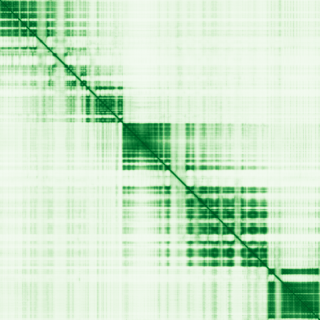
Predicted protein structure

Clinical relevance (Genomics England PanelApp)

Diagnostic Grade (Green)

  • Early onset or syndromic epilepsy

    BIALLELIC, autosomal or pseudoautosomal
  • Hereditary neuropathy or pain disorder

    BIALLELIC, autosomal or pseudoautosomal
  • Intellectual disability

    BIALLELIC, autosomal or pseudoautosomal
  • Monogenic hearing loss

    BOTH monoallelic and biallelic, autosomal or pseudoautosomal
  • Diabetes with additional phenotypes suggestive of a monogenic aetiology

    MONOALLELIC, autosomal or pseudoautosomal, NOT imprinted
  • Adult onset neurodegenerative disorder

    MONOALLELIC, autosomal or pseudoautosomal, NOT imprinted
  • Ataxia and cerebellar anomalies - narrow panel

    BIALLELIC, autosomal or pseudoautosomal
  • Childhood onset dystonia, chorea or related movement disorder

+3 more panels — install the extension to see the full list inline on any page.

Disease associations (Open Targets)

  • genetic developmental and epileptic encephalopathy

    0.66
  • autosomal dominant nonsyndromic hearing loss

    0.56
  • polyendocrine-polyneuropathy syndrome

    0.51
  • deafness

    0.47
  • early-infantile DEE

    0.46
  • sensorineural hearing loss disorder

    0.42
  • hearing loss, autosomal recessive

    0.42
  • autism spectrum disorder

    0.39
  • intelligence

    0.30
  • cardiac transplant

    0.26

Score is the Open Targets composite evidence score (0-1). Higher = stronger gene-disease association.

Protein function (UniProt)

DmX-like protein 2

May serve as a scaffold protein for MADD and RAB3GA on synaptic vesicles (PubMed:11809763). Plays a role in the brain as a key controller of neuronal and endocrine homeostatic processes (By similarity)

Data sources: HGNC (CC BY 4.0), AlphaFold (CC BY 4.0, Jumper et al. Nature 2021), Genomics England PanelApp (CC BY 4.0), ClinGen, Open Targets (CC0), UniProt.

Not for sole clinical decision-making. Always verify against primary sources.