Skip to content
GenoLensGenoLens

DNAJC3

Chr 13q32.1

DnaJ heat shock protein family (Hsp40) member C3

Aliases:
P58, P58IPK, HP58, ERdj6, p58(IPK)
MANE:
ENST00000602402.6

Annotations refreshed 10 hours ago.

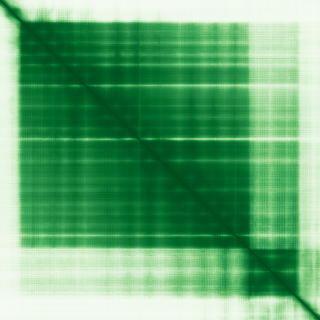
Predicted protein structure

Clinical relevance (Genomics England PanelApp)

Diagnostic Grade (Green)

  • Ataxia and cerebellar anomalies - narrow panel

    BIALLELIC, autosomal or pseudoautosomal
  • Familial diabetes

    BIALLELIC, autosomal or pseudoautosomal
  • Hereditary neuropathy

    BIALLELIC, autosomal or pseudoautosomal
  • Hereditary neuropathy or pain disorder

    BIALLELIC, autosomal or pseudoautosomal
  • Monogenic diabetes

    BIALLELIC, autosomal or pseudoautosomal
  • Monogenic hearing loss

    BIALLELIC, autosomal or pseudoautosomal
  • Intellectual disability

Disease associations (Open Targets)

  • juvenile-onset diabetes mellitus-central and peripheral neurodegeneration syndrome

    0.74
  • influenza

    0.37
  • dengue disease

    0.37
  • hereditary disease

    0.34
  • gout

    0.29
  • male infertility

    0.14
  • Familial prostate cancer

    0.11
  • prostate cancer

    0.11
  • sialolithiasis

    0.09
  • infection

    0.08

Score is the Open Targets composite evidence score (0-1). Higher = stronger gene-disease association.

Protein function (UniProt)

DnaJ homolog subfamily C member 3

Involved in the unfolded protein response (UPR) during endoplasmic reticulum (ER) stress. Acts as a negative regulator of the EIF2AK4/GCN2 kinase activity by preventing the phosphorylation of eIF-2-alpha at 'Ser-52' and hence attenuating general protein synthesis under ER stress, hypothermic and amino acid starving stress conditions (By similarity). Co-chaperone of HSPA8/HSC70, it stimulates its ATPase activity. May inhibit both the autophosphorylation of EIF2AK2/PKR and the ability of EIF2AK2 to catalyze phosphorylation of the EIF2A. May inhibit EIF2AK3/PERK activity

Data sources: HGNC (CC BY 4.0), AlphaFold (CC BY 4.0, Jumper et al. Nature 2021), Genomics England PanelApp (CC BY 4.0), ClinGen, Open Targets (CC0), UniProt.

Not for sole clinical decision-making. Always verify against primary sources.