
AlphaFold predicted structure
DPP4 · P27487
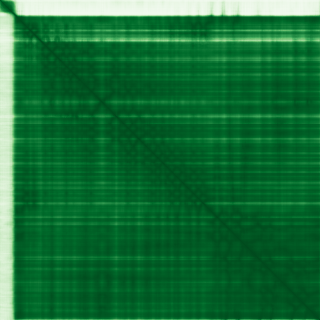
Mean pLDDT
96.3/ 100
Very high
766 residues
Confidence breakdown
- Very high(≥ 90)93%
- Confident(70–90)4%
- Low(50–70)2%
- Very low(< 50)1%
Open interactive 3D viewer
AlphaFold (Jumper et al., 2021) · CC BY 4.0
dipeptidyl peptidase 4
Annotations refreshed 3 months ago.
Moderate Evidence (Amber)
COVID-19 research
Unknowntype 2 diabetes mellitus
diabetes mellitus
myocardial infarction
chronic kidney disease
neurodegenerative disease
intelligence
smoking initiation
type 1 diabetes mellitus
asthma
Hyperglycemia
Score is the Open Targets composite evidence score (0-1). Higher = stronger gene-disease association.
Dipeptidyl peptidase 4
Cell surface glycoprotein receptor involved in the costimulatory signal essential for T-cell receptor (TCR)-mediated T-cell activation (PubMed:10900005, PubMed:10951221, PubMed:11772392, PubMed:17287217). Acts as a positive regulator of T-cell coactivation, by binding at least ADA, CAV1, IGF2R, and PTPRC (PubMed:10900005, PubMed:10951221, PubMed:11772392, PubMed:14691230). Its binding to CAV1 and CARD11 induces T-cell proliferation and NF-kappa-B activation in a T-cell receptor/CD3-dependent manner (PubMed:17287217). Its interaction with ADA also regulates lymphocyte-epithelial cell adhesion (PubMed:11772392). In association with FAP is involved in the pericellular proteolysis of the extracellular matrix (ECM), the migration and invasion of endothelial cells into the ECM (PubMed:10593948, PubMed:16651416). May be involved in the promotion of lymphatic endothelial cells adhesion, migration and tube formation (PubMed:18708048). When overexpressed, enhanced cell proliferation, a process inhibited by GPC3 (PubMed:17549790). Also acts as a serine exopeptidase with a dipeptidyl peptidase activity that regulates various physiological processes by cleaving peptides in the circulation, including many chemokines, mitogenic growth factors, neuropeptides and peptide hormones such as brain natriuretic peptide 32 (PubMed:10570924, PubMed:16254193). Removes N-terminal dipeptides sequentially from polypeptides having unsubstituted N-termini provided that the penultimate residue is proline (PubMed:10593948)
DPP4 · P27487
Mean pLDDT
96.3/ 100
Very high
766 residues
Confidence breakdown
AlphaFold (Jumper et al., 2021) · CC BY 4.0