
AlphaFold predicted structure
DPP9 · Q86TI2
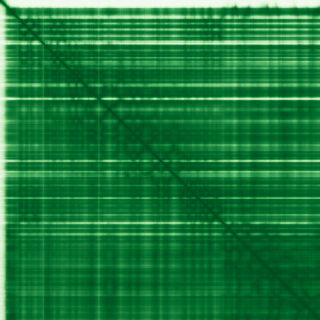
Mean pLDDT
92.5/ 100
Very high
863 residues
Confidence breakdown
- Very high(≥ 90)82%
- Confident(70–90)14%
- Low(50–70)2%
- Very low(< 50)2%
Open interactive 3D viewer
AlphaFold (Jumper et al., 2021) · CC BY 4.0
dipeptidyl peptidase 9
Annotations refreshed 2 months ago.
Diagnostic Grade (Green)
Primary immunodeficiency or monogenic inflammatory bowel disease
BIALLELIC, autosomal or pseudoautosomalhatipoglu immunodeficiency syndrome
COVID-19
neurodegenerative disease
idiopathic pulmonary fibrosis
interstitial lung disease
respiratory failure
osteoarthritis
Abnormality of the gastrointestinal tract
hepatocellular carcinoma
liver cancer
Score is the Open Targets composite evidence score (0-1). Higher = stronger gene-disease association.
Dipeptidyl peptidase 9
Dipeptidyl peptidase that cleaves off N-terminal dipeptides from proteins having a Pro or Ala residue at position 2 (PubMed:12662155, PubMed:16475979, PubMed:19667070, PubMed:29382749, PubMed:30291141, PubMed:33731929, PubMed:36112693). Acts as a key inhibitor of caspase-1-dependent monocyte and macrophage pyroptosis in resting cells by preventing activation of NLRP1 and CARD8 (PubMed:27820798, PubMed:29967349, PubMed:30291141, PubMed:31525884, PubMed:32796818, PubMed:36112693, PubMed:36357533). Sequesters the cleaved C-terminal part of NLRP1 and CARD8, which respectively constitute the active part of the NLRP1 and CARD8 inflammasomes, in a ternary complex, thereby preventing their oligomerization and activation (PubMed:33731929, PubMed:33731932, PubMed:34019797). The dipeptidyl peptidase activity is required to suppress NLRP1 and CARD8; however, neither NLRP1 nor CARD8 are bona fide substrates of DPP9, suggesting the existence of substrate(s) required for NLRP1 and CARD8 inhibition (PubMed:33731929)
DPP9 · Q86TI2
Mean pLDDT
92.5/ 100
Very high
863 residues
Confidence breakdown
AlphaFold (Jumper et al., 2021) · CC BY 4.0