
AlphaFold predicted structure
DPYD · Q12882
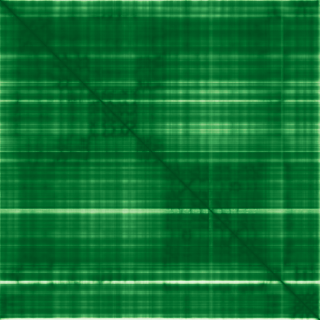
Mean pLDDT
96.1/ 100
Very high
1,025 residues
Confidence breakdown
- Very high(≥ 90)95%
- Confident(70–90)4%
- Low(50–70)1%
- Very low(< 50)0%
Open interactive 3D viewer
AlphaFold (Jumper et al., 2021) · CC BY 4.0
dihydropyrimidine dehydrogenase
Annotations refreshed 2 months ago.
Diagnostic Grade (Green)
Early onset or syndromic epilepsy
BIALLELIC, autosomal or pseudoautosomalInherited white matter disorders
BIALLELIC, autosomal or pseudoautosomalIntellectual disability
BIALLELIC, autosomal or pseudoautosomalLikely inborn error of metabolism
BIALLELIC, autosomal or pseudoautosomalUndiagnosed metabolic disorders
BIALLELIC, autosomal or pseudoautosomalWhite matter disorders and cerebral calcification - narrow panel
BIALLELIC, autosomal or pseudoautosomalChildhood onset dystonia, chorea or related movement disorder
Structural eye disease
BIALLELIC, autosomal or pseudoautosomaldihydropyrimidine dehydrogenase deficiency
gastric cancer
hereditary disease
gastric neoplasm
Knee pain
schizophrenia
Wheezing
gastroesophageal reflux disease
intelligence
alcohol drinking
Score is the Open Targets composite evidence score (0-1). Higher = stronger gene-disease association.
Dihydropyrimidine dehydrogenase [NADP(+)]
Involved in pyrimidine base degradation (PubMed:1512248). Catalyzes the reduction of uracil and thymine (PubMed:1512248). Also involved the degradation of the chemotherapeutic drug 5-fluorouracil (PubMed:1512248)
Curated MONDO disease pages that list DPYD among their top associated genes.
DPYD · Q12882
Mean pLDDT
96.1/ 100
Very high
1,025 residues
Confidence breakdown
AlphaFold (Jumper et al., 2021) · CC BY 4.0