Skip to content
GenoLensGenoLens

EDNRB

Chr 13q22.3

endothelin receptor type B

Aliases:
ETB
MANE:
ENST00000646607.2

Annotations refreshed 10 hours ago.

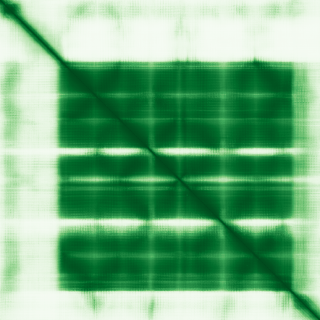
Predicted protein structure

Clinical relevance (Genomics England PanelApp)

Diagnostic Grade (Green)

  • DDG2P

    BIALLELIC, autosomal or pseudoautosomal
  • Familial Hirschsprung Disease

    BOTH monoallelic and biallelic (but BIALLELIC mutations cause a more SEVERE disease form), autosomal or pseudoautosomal
  • Fetal anomalies

    BIALLELIC, autosomal or pseudoautosomal
  • Monogenic hearing loss

    BOTH monoallelic and biallelic (but BIALLELIC mutations cause a more SEVERE disease form), autosomal or pseudoautosomal
  • Paediatric pseudo-obstruction syndrome

    BOTH monoallelic and biallelic (but BIALLELIC mutations cause a more SEVERE disease form), autosomal or pseudoautosomal
  • Pigmentary skin disorders

    BOTH monoallelic and biallelic (but BIALLELIC mutations cause a more SEVERE disease form), autosomal or pseudoautosomal
  • Intellectual disability

    MONOALLELIC, autosomal or pseudoautosomal, NOT imprinted
  • Non-syndromic familial congenital anorectal malformations

+1 more panels — install the extension to see the full list inline on any page.

Disease associations (Open Targets)

  • Waardenburg syndrome type 4A

    0.78
  • Waardenburg-Shah syndrome

    0.69
  • ABCD syndrome

    0.65
  • pulmonary arterial hypertension

    0.62
  • pulmonary hypertension

    0.59
  • hypertensive disorder

    0.57
  • systemic sclerosis

    0.56
  • Hirschsprung disease

    0.55
  • Waardenburg syndrome

    0.50
  • Abnormality of the skeletal system

    0.48

Score is the Open Targets composite evidence score (0-1). Higher = stronger gene-disease association.

Protein function (UniProt)

Endothelin receptor type B

Non-specific receptor for endothelin 1, 2, and 3. Mediates its action by association with G proteins that activate a phosphatidylinositol-calcium second messenger system

Data sources: HGNC (CC BY 4.0), AlphaFold (CC BY 4.0, Jumper et al. Nature 2021), Genomics England PanelApp (CC BY 4.0), ClinGen, Open Targets (CC0), UniProt.

Not for sole clinical decision-making. Always verify against primary sources.