Skip to content
GenoLensGenoLens

EEF1A2

Chr 20q13.33

eukaryotic translation elongation factor 1 alpha 2

Aliases:
EEF1AL, HS1
MANE:
ENST00000217182.6

Annotations refreshed 1 month ago.

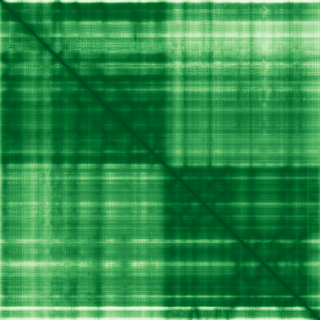
Predicted protein structure

Clinical relevance (Genomics England PanelApp)

Diagnostic Grade (Green)

  • DDG2P

    MONOALLELIC, autosomal or pseudoautosomal, imprinted status unknown
  • Early onset or syndromic epilepsy

    MONOALLELIC, autosomal or pseudoautosomal, imprinted status unknown
  • Intellectual disability

    MONOALLELIC, autosomal or pseudoautosomal, NOT imprinted
  • Fetal anomalies

    MONOALLELIC, autosomal or pseudoautosomal, imprinted status unknown

Disease associations (Open Targets)

  • undetermined early-onset epileptic encephalopathy

    0.72
  • developmental and epileptic encephalopathy, 33

    0.72
  • genetic developmental and epileptic encephalopathy

    0.58
  • infantile epileptic encephalopathy

    0.58
  • intellectual disability, autosomal dominant 38

    0.55
  • hereditary disease

    0.52
  • complex neurodevelopmental disorder

    0.45
  • Intellectual disability

    0.45
  • neoplasm

    0.40
  • autosomal dominant non-syndromic intellectual disability

    0.37

Score is the Open Targets composite evidence score (0-1). Higher = stronger gene-disease association.

Protein function (UniProt)

Elongation factor 1-alpha 2

Translation elongation factor that catalyzes the GTP-dependent binding of aminoacyl-tRNA (aa-tRNA) to the A-site of ribosomes during the elongation phase of protein synthesis. Base pairing between the mRNA codon and the aa-tRNA anticodon promotes GTP hydrolysis, releasing the aa-tRNA from EEF1A1 and allowing its accommodation into the ribosome (By similarity). The growing protein chain is subsequently transferred from the P-site peptidyl tRNA to the A-site aa-tRNA, extending it by one amino acid through ribosome-catalyzed peptide bond formation (By similarity)

Curated MONDO disease pages that list EEF1A2 among their top associated genes.

Data sources: HGNC (CC BY 4.0), AlphaFold (CC BY 4.0, Jumper et al. Nature 2021), Genomics England PanelApp (CC BY 4.0), ClinGen, Open Targets (CC0), UniProt.

Not for sole clinical decision-making. Always verify against primary sources.