Skip to content
GenoLensGenoLens

ELAC2

Chr 17p12

elaC ribonuclease Z 2

Aliases:
FLJ10530, HPC2
MANE:
ENST00000338034.9

Annotations refreshed 10 hours ago.

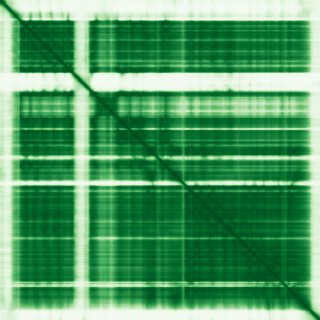
Predicted protein structure

Clinical relevance (Genomics England PanelApp)

Diagnostic Grade (Green)

  • DDG2P

    BIALLELIC, autosomal or pseudoautosomal
  • Fetal anomalies

    BIALLELIC, autosomal or pseudoautosomal
  • Intellectual disability

    BIALLELIC, autosomal or pseudoautosomal
  • Likely inborn error of metabolism

    BIALLELIC, autosomal or pseudoautosomal
  • Mitochondrial disorders

    BIALLELIC, autosomal or pseudoautosomal
  • Paediatric or syndromic cardiomyopathy

    BIALLELIC, autosomal or pseudoautosomal
  • Possible mitochondrial disorder - nuclear genes

    BIALLELIC, autosomal or pseudoautosomal
  • Undiagnosed metabolic disorders

    BIALLELIC, autosomal or pseudoautosomal

+2 more panels — install the extension to see the full list inline on any page.

Disease associations (Open Targets)

  • combined oxidative phosphorylation defect type 17

    0.81
  • prostate cancer, hereditary, 2

    0.73
  • hereditary disease

    0.50
  • Intellectual disability

    0.43
  • inborn mitochondrial metabolism disorder

    0.37
  • mitochondrial disease

    0.37
  • mitochondrial complex I deficiency, nuclear type 1

    0.37
  • ovarian cancer

    0.34
  • viral pneumonia

    0.29
  • type 2 diabetes mellitus

    0.24

Score is the Open Targets composite evidence score (0-1). Higher = stronger gene-disease association.

Protein function (UniProt)

Zinc phosphodiesterase ELAC protein 2

Zinc phosphodiesterase, which displays mitochondrial tRNA 3'-processing endonuclease activity. Involved in tRNA maturation, by removing a 3'-trailer from precursor tRNA (PubMed:21593607). Associates with mitochondrial DNA complexes at the nucleoids to initiate RNA processing and ribosome assembly (PubMed:24703694)

Data sources: HGNC (CC BY 4.0), AlphaFold (CC BY 4.0, Jumper et al. Nature 2021), Genomics England PanelApp (CC BY 4.0), ClinGen, Open Targets (CC0), UniProt.

Not for sole clinical decision-making. Always verify against primary sources.