Skip to content
GenoLensGenoLens

ELOVL5

Chr 6p12.1

ELOVL fatty acid elongase 5

Aliases:
HELO1, dJ483K16.1
MANE:
ENST00000304434.11

Annotations refreshed 9 hours ago.

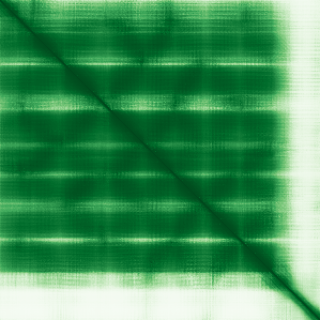
Predicted protein structure

Clinical relevance (Genomics England PanelApp)

Moderate Evidence (Amber)

  • Hereditary ataxia with onset in adulthood

    MONOALLELIC, autosomal or pseudoautosomal, imprinted status unknown
  • Adult onset neurodegenerative disorder

    MONOALLELIC, autosomal or pseudoautosomal, imprinted status unknown
  • Ataxia and cerebellar anomalies - narrow panel

    MONOALLELIC, autosomal or pseudoautosomal, imprinted status unknown
  • Hereditary ataxia

    MONOALLELIC, autosomal or pseudoautosomal, imprinted status unknown
  • Intellectual disability

    MONOALLELIC, autosomal or pseudoautosomal, imprinted status unknown

Disease associations (Open Targets)

  • Spinocerebellar ataxia type 38

    0.65
  • neurodegenerative disease

    0.52
  • colorectal cancer

    0.24
  • cervical carcinoma

    0.20
  • breast carcinoma

    0.19
  • hereditary disease

    0.19
  • prostate carcinoma

    0.19
  • spinocerebellar ataxia type 36

    0.18
  • cartilage disease

    0.18
  • exostosis

    0.16

Score is the Open Targets composite evidence score (0-1). Higher = stronger gene-disease association.

Protein function (UniProt)

Very long chain fatty acid elongase 5

Catalyzes the first and rate-limiting reaction of the four reactions that constitute the long-chain fatty acids elongation cycle. This endoplasmic reticulum-bound enzymatic process allows the addition of 2 carbons to the chain of long- and very long-chain fatty acids (VLCFAs) per cycle. Condensing enzyme that acts specifically toward polyunsaturated acyl-CoA with the higher activity toward C18:3(n-6) acyl-CoA. May participate in the production of monounsaturated and of polyunsaturated VLCFAs of different chain lengths that are involved in multiple biological processes as precursors of membrane lipids and lipid mediators (By similarity) (PubMed:10970790, PubMed:20937905). In conditions where the essential linoleic and alpha linoleic fatty acids are lacking it is also involved in the synthesis of Mead acid from oleic acid (By similarity)

Data sources: HGNC (CC BY 4.0), AlphaFold (CC BY 4.0, Jumper et al. Nature 2021), Genomics England PanelApp (CC BY 4.0), ClinGen, Open Targets (CC0), UniProt.

Not for sole clinical decision-making. Always verify against primary sources.