AlphaFold predicted structure
ERBB3 · P21860
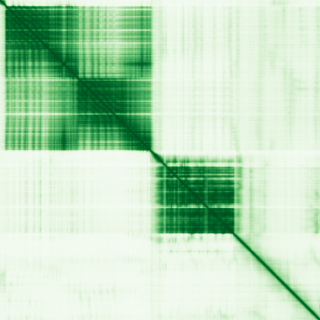
Mean pLDDT
72.4/ 100
Confident
1,342 residues
Confidence breakdown
- Very high(≥ 90)47%
- Confident(70–90)19%
- Low(50–70)4%
- Very low(< 50)30%
AlphaFold (Jumper et al., 2021) · CC BY 4.0
erb-b2 receptor tyrosine kinase 3
Annotations refreshed 10 hours ago.
Diagnostic Grade (Green)
Arthrogryposis
BIALLELIC, autosomal or pseudoautosomalDDG2P
BIALLELIC, autosomal or pseudoautosomalFetal anomalies
BIALLELIC, autosomal or pseudoautosomalPaediatric pseudo-obstruction syndrome
BIALLELIC, autosomal or pseudoautosomalHereditary neuropathy
BIALLELIC, autosomal or pseudoautosomalHereditary neuropathy or pain disorder
BIALLELIC, autosomal or pseudoautosomalvisceral neuropathy, familial, 1, autosomal recessive
lethal congenital contracture syndrome 2
cancer
urinary bladder cancer
urinary bladder carcinoma
Lethal congenital contracture syndrome type 2
non-small cell lung carcinoma
neoplasm
medullary thyroid gland carcinoma
colorectal adenocarcinoma
Score is the Open Targets composite evidence score (0-1). Higher = stronger gene-disease association.
Receptor tyrosine-protein kinase erbB-3
Tyrosine-protein kinase that plays an essential role as cell surface receptor for neuregulins. Binds to neuregulin-1 (NRG1) and is activated by it; ligand-binding increases phosphorylation on tyrosine residues and promotes its association with the p85 subunit of phosphatidylinositol 3-kinase (PubMed:20682778). May also be activated by CSPG5 (PubMed:15358134). Involved in the regulation of myeloid cell differentiation (PubMed:27416908)
Curated MONDO disease pages that list ERBB3 among their top associated genes.
ERBB3 · P21860

Mean pLDDT
72.4/ 100
Confident
1,342 residues
Confidence breakdown
AlphaFold (Jumper et al., 2021) · CC BY 4.0