
AlphaFold predicted structure
ETHE1 · O95571
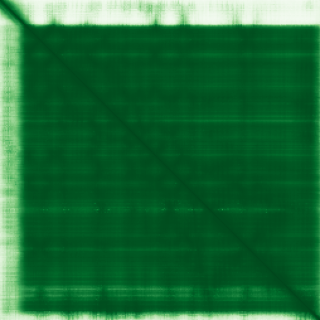
Mean pLDDT
92.9/ 100
Very high
254 residues
Confidence breakdown
- Very high(≥ 90)90%
- Confident(70–90)2%
- Low(50–70)2%
- Very low(< 50)7%
Open interactive 3D viewer
AlphaFold (Jumper et al., 2021) · CC BY 4.0
ETHE1 persulfide dioxygenase
Annotations refreshed 2 months ago.
Diagnostic Grade (Green)
DDG2P
BIALLELIC, autosomal or pseudoautosomalEarly onset or syndromic epilepsy
BIALLELIC, autosomal or pseudoautosomalIntellectual disability
BIALLELIC, autosomal or pseudoautosomalLikely inborn error of metabolism
BIALLELIC, autosomal or pseudoautosomalMitochondrial disorders
BIALLELIC, autosomal or pseudoautosomalPossible mitochondrial disorder - nuclear genes
BIALLELIC, autosomal or pseudoautosomalStructural basal ganglia disorders
BIALLELIC, autosomal or pseudoautosomalUndiagnosed metabolic disorders
BIALLELIC, autosomal or pseudoautosomal+3 more panels — install the extension to see the full list inline on any page.
ethylmalonic encephalopathy
Leigh syndrome
Abnormality of the nervous system
hereditary disease
neurodegenerative disease
neoplasm
colorectal carcinoma
autosomal dominant macrothrombocytopenia
hereditary thrombocytopenia with normal platelets
thrombocytopenia 4
Score is the Open Targets composite evidence score (0-1). Higher = stronger gene-disease association.
Persulfide dioxygenase ETHE1, mitochondrial
Sulfur dioxygenase that plays an essential role in hydrogen sulfide catabolism in the mitochondrial matrix. Hydrogen sulfide (H(2)S) is first oxidized by SQRDL, giving rise to cysteine persulfide residues. ETHE1 consumes molecular oxygen to catalyze the oxidation of the persulfide, once it has been transferred to a thiophilic acceptor, such as glutathione (R-SSH). Plays an important role in metabolic homeostasis in mitochondria by metabolizing hydrogen sulfide and preventing the accumulation of supraphysiological H(2)S levels that have toxic effects, due to the inhibition of cytochrome c oxidase. First described as a protein that can shuttle between the nucleus and the cytoplasm and suppress p53-induced apoptosis by sequestering the transcription factor RELA/NFKB3 in the cytoplasm and preventing its accumulation in the nucleus (PubMed:12398897)
ETHE1 · O95571
Mean pLDDT
92.9/ 100
Very high
254 residues
Confidence breakdown
AlphaFold (Jumper et al., 2021) · CC BY 4.0