AlphaFold predicted structure
EXOSC1 · Q9Y3B2
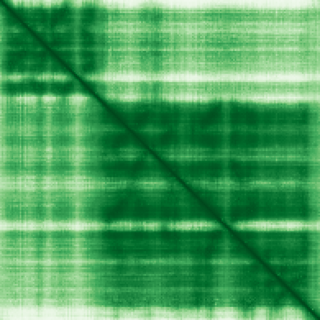
Mean pLDDT
78.4/ 100
Confident
195 residues
Confidence breakdown
- Very high(≥ 90)3%
- Confident(70–90)78%
- Low(50–70)16%
- Very low(< 50)4%
AlphaFold (Jumper et al., 2021) · CC BY 4.0
exosome component 1
Annotations refreshed 9 hours ago.
Moderate Evidence (Amber)
Fetal anomalies
BIALLELIC, autosomal or pseudoautosomalAtaxia and cerebellar anomalies - narrow panel
BIALLELIC, autosomal or pseudoautosomalneurodegenerative disease
pontocerebellar hypoplasia, type 1F
ovarian neoplasm
cancer
mantle cell lymphoma
neoplasm
nasopharyngeal carcinoma
hepatocellular carcinoma
fatty liver disease
ischemic stroke
Score is the Open Targets composite evidence score (0-1). Higher = stronger gene-disease association.
Exosome complex component CSL4
Non-catalytic component of the RNA exosome complex which has 3'->5' exoribonuclease activity and participates in a multitude of cellular RNA processing and degradation events. In the nucleus, the RNA exosome complex is involved in proper maturation of stable RNA species such as rRNA, snRNA and snoRNA, in the elimination of RNA processing by-products and non-coding 'pervasive' transcripts, such as antisense RNA species and promoter-upstream transcripts (PROMPTs), and of mRNAs with processing defects, thereby limiting or excluding their export to the cytoplasm. The RNA exosome may be involved in Ig class switch recombination (CSR) and/or Ig variable region somatic hypermutation (SHM) by targeting AICDA deamination activity to transcribed dsDNA substrates. In the cytoplasm, the RNA exosome complex is involved in general mRNA turnover and specifically degrades inherently unstable mRNAs containing AU-rich elements (AREs) within their 3' untranslated regions, and in RNA surveillance pathways, preventing translation of aberrant mRNAs. It seems to be involved in degradation of histone mRNA. The catalytic inactive RNA exosome core complex of 9 subunits (Exo-9) is proposed to play a pivotal role in the binding and presentation of RNA for ribonucleolysis, and to serve as a scaffold for the association with catalytic subunits and accessory proteins or complexes. EXOSC1 as peripheral part of the Exo-9 complex stabilizes the hexameric ring of RNase PH-domain subunits through contacts with EXOSC6 and EXOSC8
EXOSC1 · Q9Y3B2

Mean pLDDT
78.4/ 100
Confident
195 residues
Confidence breakdown
AlphaFold (Jumper et al., 2021) · CC BY 4.0