Skip to content
GenoLensGenoLens

FAM111A

Chr 11q12.1

FAM111 trypsin like peptidase A

Aliases:
FLJ22794, KIAA1895
MANE:
ENST00000675163.1

Annotations refreshed 10 hours ago.

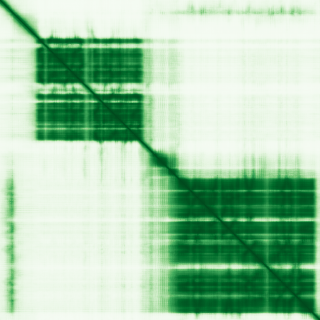
Predicted protein structure

Clinical relevance (Genomics England PanelApp)

Diagnostic Grade (Green)

  • DDG2P

    MONOALLELIC, autosomal or pseudoautosomal, imprinted status unknown
  • Fetal anomalies

    MONOALLELIC, autosomal or pseudoautosomal, imprinted status unknown
  • Skeletal dysplasia

    MONOALLELIC, autosomal or pseudoautosomal, NOT imprinted
  • Clefting

    MONOALLELIC, autosomal or pseudoautosomal, imprinted status unknown
  • Intellectual disability

    MONOALLELIC, autosomal or pseudoautosomal, NOT imprinted
  • Structural eye disease

    MONOALLELIC, autosomal or pseudoautosomal, NOT imprinted

Disease associations (Open Targets)

  • osteocraniostenosis

    0.73
  • autosomal dominant Kenny-Caffey syndrome

    0.68
  • Kenny-Caffey syndrome

    0.60
  • prostate carcinoma

    0.44
  • prostate cancer

    0.40
  • neurodegenerative disease

    0.38
  • FAM111A-related skeletal dysplasia

    0.37
  • hereditary disease

    0.34
  • hypertrophic cardiomyopathy

    0.32
  • hypoparathyroidism

    0.12

Score is the Open Targets composite evidence score (0-1). Higher = stronger gene-disease association.

Protein function (UniProt)

Serine protease FAM111A

Single-stranded DNA-binding serine protease that mediates the proteolytic cleavage of covalent DNA-protein cross-links (DPCs) during DNA synthesis, thereby playing a key role in maintaining genomic integrity (PubMed:32165630). DPCs are highly toxic DNA lesions that interfere with essential chromatin transactions, such as replication and transcription, and which are induced by reactive agents, such as UV light or formaldehyde (PubMed:32165630). Protects replication fork from stalling by removing DPCs, such as covalently trapped topoisomerase 1 (TOP1) adducts on DNA lesion, or poly(ADP-ribose) polymerase 1 (PARP1)-DNA complexes trapped by PARP inhibitors (PubMed:32165630). Required for PCNA loading on replication sites (PubMed:24561620). Promotes S-phase entry and DNA synthesis (PubMed:24561620). Also acts as a restriction factor for some viruses including SV40 polyomavirus and vaccinia virus (PubMed:23093934, PubMed:37607234). Mechanistically, affects nuclear barrier function during viral replication by mediating the disruption of the nuclear pore complex (NPC) via its protease activity (PubMed:33369867, PubMed:37607234). In turn, interacts with vaccinia virus DNA-binding protein OPG079 in the cytoplasm and promotes its degradation without the need of its protease activity but through autophagy (PubMed:37607234)

Data sources: HGNC (CC BY 4.0), AlphaFold (CC BY 4.0, Jumper et al. Nature 2021), Genomics England PanelApp (CC BY 4.0), ClinGen, Open Targets (CC0), UniProt.

Not for sole clinical decision-making. Always verify against primary sources.