Skip to content
GenoLensGenoLens

FANCA

Chr 16q24.3

FA complementation group A

Aliases:
FAA, FA-H, FAH
MANE:
ENST00000389301.8

Annotations refreshed 1 month ago.

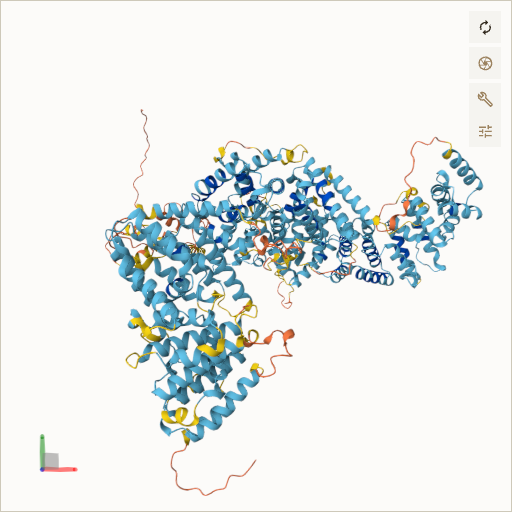
Predicted protein structure

Clinical relevance (Genomics England PanelApp)

Diagnostic Grade (Green)

  • Adult solid tumours cancer susceptibility

    BIALLELIC, autosomal or pseudoautosomal
  • Childhood solid tumours

    BIALLELIC, autosomal or pseudoautosomal
  • Childhood solid tumours cancer susceptibility

    BIALLELIC, autosomal or pseudoautosomal
  • Confirmed Fanconi anaemia or Bloom syndrome

    BIALLELIC, autosomal or pseudoautosomal
  • COVID-19 research

    BIALLELIC, autosomal or pseudoautosomal
  • Cytopenias and congenital anaemias

    BIALLELIC, autosomal or pseudoautosomal
  • DDG2P

    BIALLELIC, autosomal or pseudoautosomal
  • Fetal anomalies

    BIALLELIC, autosomal or pseudoautosomal

+13 more panels — install the extension to see the full list inline on any page.

Disease associations (Open Targets)

  • Fanconi anemia complementation group A

    0.85
  • Fanconi anemia

    0.82
  • acute myeloid leukemia

    0.54
  • myelodysplastic syndrome

    0.48
  • Abnormality of skin pigmentation

    0.47
  • leukemia

    0.47
  • hereditary disease

    0.45
  • Abnormality of blood and blood-forming tissues

    0.41
  • head and neck squamous cell carcinoma

    0.39
  • prostate carcinoma

    0.38

Score is the Open Targets composite evidence score (0-1). Higher = stronger gene-disease association.

Protein function (UniProt)

Fanconi anemia group A protein

DNA repair protein that may operate in a postreplication repair or a cell cycle checkpoint function. May be involved in interstrand DNA cross-link repair and in the maintenance of normal chromosome stability

Curated MONDO disease pages that list FANCA among their top associated genes.

Data sources: HGNC (CC BY 4.0), AlphaFold (CC BY 4.0, Jumper et al. Nature 2021), Genomics England PanelApp (CC BY 4.0), ClinGen, Open Targets (CC0), UniProt.

Not for sole clinical decision-making. Always verify against primary sources.