
AlphaFold predicted structure
FARS2 · O95363
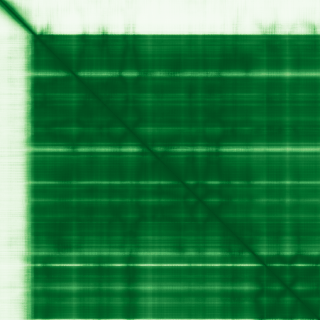
Mean pLDDT
89.6/ 100
Confident
451 residues
Confidence breakdown
- Very high(≥ 90)85%
- Confident(70–90)5%
- Low(50–70)0%
- Very low(< 50)10%
Open interactive 3D viewer
AlphaFold (Jumper et al., 2021) · CC BY 4.0
phenylalanyl-tRNA synthetase 2, mitochondrial
Annotations refreshed 2 months ago.
Diagnostic Grade (Green)
Childhood onset hereditary spastic paraplegia
BIALLELIC, autosomal or pseudoautosomalDDG2P
BIALLELIC, autosomal or pseudoautosomalEarly onset or syndromic epilepsy
BIALLELIC, autosomal or pseudoautosomalHereditary spastic paraplegia
BIALLELIC, autosomal or pseudoautosomalIntellectual disability
BIALLELIC, autosomal or pseudoautosomalLikely inborn error of metabolism
BIALLELIC, autosomal or pseudoautosomalMitochondrial disorders
BIALLELIC, autosomal or pseudoautosomalPossible mitochondrial disorder - nuclear genes
BIALLELIC, autosomal or pseudoautosomal+5 more panels — install the extension to see the full list inline on any page.
combined oxidative phosphorylation defect type 14
hereditary spastic paraplegia 77
hereditary disease
Leigh syndrome
inborn mitochondrial metabolism disorder
mitochondrial disease
metabolic disease
autosomal dominant Alport syndrome
COVID-19
severe acute respiratory syndrome
Score is the Open Targets composite evidence score (0-1). Higher = stronger gene-disease association.
Phenylalanine--tRNA ligase, mitochondrial
Is responsible for the charging of tRNA(Phe) with phenylalanine in mitochondrial translation. To a lesser extent, also catalyzes direct attachment of m-Tyr (an oxidized version of Phe) to tRNA(Phe), thereby opening the way for delivery of the misacylated tRNA to the ribosome and incorporation of ROS-damaged amino acid into proteins
FARS2 · O95363
Mean pLDDT
89.6/ 100
Confident
451 residues
Confidence breakdown
AlphaFold (Jumper et al., 2021) · CC BY 4.0