
AlphaFold predicted structure
FBXL4 · Q9UKA2
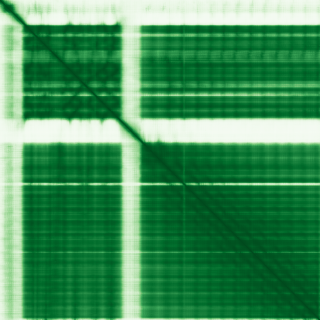
Mean pLDDT
86.3/ 100
Confident
621 residues
Confidence breakdown
- Very high(≥ 90)76%
- Confident(70–90)9%
- Low(50–70)2%
- Very low(< 50)14%
Open interactive 3D viewer
AlphaFold (Jumper et al., 2021) · CC BY 4.0
F-box and leucine rich repeat protein 4
Annotations refreshed 2 months ago.
Diagnostic Grade (Green)
Ataxia and cerebellar anomalies - narrow panel
BIALLELIC, autosomal or pseudoautosomalDDG2P
BIALLELIC, autosomal or pseudoautosomalEarly onset or syndromic epilepsy
BIALLELIC, autosomal or pseudoautosomalFetal anomalies
BIALLELIC, autosomal or pseudoautosomalIntellectual disability
BIALLELIC, autosomal or pseudoautosomalLikely inborn error of metabolism
BIALLELIC, autosomal or pseudoautosomalMitochondrial disorders
BIALLELIC, autosomal or pseudoautosomalMitochondrial DNA maintenance disorder
BIALLELIC, autosomal or pseudoautosomal+5 more panels — install the extension to see the full list inline on any page.
mitochondrial DNA depletion syndrome 13
Mitochondrial DNA depletion syndrome, encephalomyopathic form with variable craniofacial anomalies
Leigh syndrome
neurodegenerative disease
hereditary disease
mitochondrial DNA depletion syndrome
alcohol drinking
mitochondrial disease
inborn mitochondrial metabolism disorder
Neurodevelopmental delay
Score is the Open Targets composite evidence score (0-1). Higher = stronger gene-disease association.
F-box/LRR-repeat protein 4
Substrate-recognition component of the mitochondria-localized SCF-FBXL4 ubiquitin E3 ligase complex that plays a role in the restriction of mitophagy by controlling the degradation of BNIP3 and NIX mitophagy receptors (PubMed:36896912, PubMed:38992176). Rescues also mitochondrial injury through reverting hyperactivation of DRP1-mediated mitochondrial fission (By similarity)
FBXL4 · Q9UKA2
Mean pLDDT
86.3/ 100
Confident
621 residues
Confidence breakdown
AlphaFold (Jumper et al., 2021) · CC BY 4.0