Skip to content
GenoLensGenoLens

FBXO31

Chr 16q24.2

F-box protein 31

Aliases:
FBX14, FBXO14, Fbx31, MGC15419
MANE:
ENST00000311635.12

Annotations refreshed 9 hours ago.

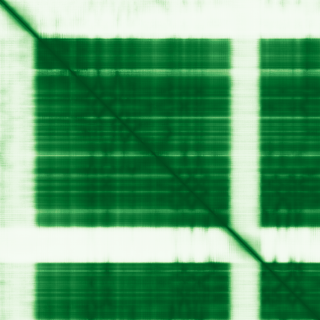
Predicted protein structure

Clinical relevance (Genomics England PanelApp)

Diagnostic Grade (Green)

  • Intellectual disability

    BOTH monoallelic and biallelic, autosomal or pseudoautosomal
  • Childhood onset hereditary spastic paraplegia

    MONOALLELIC, autosomal or pseudoautosomal, NOT imprinted
  • Malformations of cortical development

    MONOALLELIC, autosomal or pseudoautosomal, NOT imprinted

Disease associations (Open Targets)

  • autosomal recessive non-syndromic intellectual disability

    0.57
  • neurodegenerative disease

    0.37
  • poisoning

    0.28
  • spastic cerebral palsy

    0.26
  • ovarian dysfunction

    0.24
  • skin disorder

    0.24
  • neurodevelopmental disorder

    0.23
  • Spasticity

    0.18
  • thyroid ectopia

    0.11
  • gastric cancer

    0.09

Score is the Open Targets composite evidence score (0-1). Higher = stronger gene-disease association.

Protein function (UniProt)

F-box only protein 31

Substrate-recognition component of the SCF(FBXO31) protein ligase complex, which specifically mediates the ubiquitination of proteins amidated at their C-terminus in response to oxidative stress, leading to their degradation by the proteasome (PubMed:39880951). FBXO31 specifically recognizes and binds C-terminal peptides bearing an amide: C-terminal amidation in response to oxidative stress takes place following protein fragmentation (PubMed:39880951). The SCF(FBXO31) also plays a role in G1 arrest following DNA damage by mediating ubiquitination of phosphorylated cyclin-D1 (CCND1), promoting its degradation by the proteasome, resulting in G1 arrest (PubMed:19412162, PubMed:29279382). The SCF(FBXO31) complex is however not a major regulator of CCND1 stability during the G1/S transition (By similarity). In response to genotoxic stress, the SCF(FBXO31) complex directs ubiquitination and degradation of phosphorylated MDM2, thereby promoting p53/TP53-mediated DNA damage response (PubMed:26124108). SCF(FBXO31) complex is required for genomic integrity by catalyzing ubiquitination and degradation of cyclin-A (CCNA1 and/or CCNA2) during the G1 phase (PubMed:31413110). In response to genotoxic stress, the SCF(FBXO31) complex directs ubiquitination and degradation of phosphorylated FBXO46 and MAP2K6 (PubMed:24936062, PubMed:30171069). SCF(FBXO31) complex promotes ubiquitination and degradation of CDT1 during the G2 phase to prevent re-replication (PubMed:24828503). The SCF(FBXO31) complex also mediates ubiquitination and degradation of DUSP6, OGT and PARD6A (PubMed:23469015, PubMed:34686346, PubMed:39894887)

Data sources: HGNC (CC BY 4.0), AlphaFold (CC BY 4.0, Jumper et al. Nature 2021), Genomics England PanelApp (CC BY 4.0), ClinGen, Open Targets (CC0), UniProt.

Not for sole clinical decision-making. Always verify against primary sources.