AlphaFold predicted structure
FDFT1 · P37268
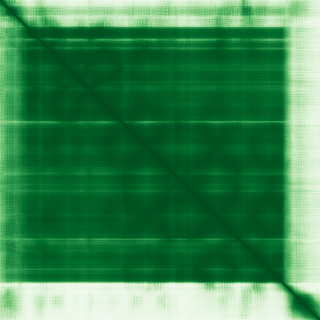
Mean pLDDT
89.1/ 100
Confident
417 residues
Confidence breakdown
- Very high(≥ 90)73%
- Confident(70–90)11%
- Low(50–70)13%
- Very low(< 50)3%
AlphaFold (Jumper et al., 2021) · CC BY 4.0
farnesyl-diphosphate farnesyltransferase 1
Annotations refreshed 9 hours ago.
Moderate Evidence (Amber)
Early onset or syndromic epilepsy
BIALLELIC, autosomal or pseudoautosomalIntellectual disability
BIALLELIC, autosomal or pseudoautosomalDDG2P
BIALLELIC, autosomal or pseudoautosomalsqualene synthase deficiency
Hypercholesterolemia
inherited lipid metabolism disorder
Abnormality of the skeletal system
type 2 diabetes mellitus
familial hyperlipidemia
myopathy
neurodegenerative disease
biliary tract disorder
colorectal carcinoma
Score is the Open Targets composite evidence score (0-1). Higher = stronger gene-disease association.
Squalene synthase
Catalyzes the condensation of 2 farnesyl pyrophosphate (FPP) moieties to form squalene. Proceeds in two distinct steps. In the first half-reaction, two molecules of FPP react to form the stable presqualene diphosphate intermediate (PSQPP), with concomitant release of a proton and a molecule of inorganic diphosphate. In the second half-reaction, PSQPP undergoes heterolysis, isomerization, and reduction with NADPH or NADH to form squalene. It is the first committed enzyme of the sterol biosynthesis pathway
FDFT1 · P37268

Mean pLDDT
89.1/ 100
Confident
417 residues
Confidence breakdown
AlphaFold (Jumper et al., 2021) · CC BY 4.0