
AlphaFold predicted structure
FITM2 · Q8N6M3
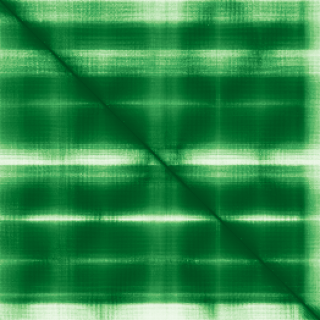
Mean pLDDT
86.9/ 100
Confident
262 residues
Confidence breakdown
- Very high(≥ 90)55%
- Confident(70–90)38%
- Low(50–70)3%
- Very low(< 50)4%
Open interactive 3D viewer
AlphaFold (Jumper et al., 2021) · CC BY 4.0
fat storage inducing transmembrane protein 2
Annotations refreshed 3 months ago.
Diagnostic Grade (Green)
Childhood onset dystonia, chorea or related movement disorder
BIALLELIC, autosomal or pseudoautosomalSiddiqi syndrome
atrial fibrillation
type 2 diabetes mellitus
hypoplastic left heart syndrome
Rare familial disorder with hypertrophic cardiomyopathy
familial isolated dilated cardiomyopathy
left ventricular noncompaction
familial isolated restrictive cardiomyopathy
hypertrophic cardiomyopathy 21
hypertrophic cardiomyopathy 25
Score is the Open Targets composite evidence score (0-1). Higher = stronger gene-disease association.
Acyl-coenzyme A diphosphatase FITM2
Fatty acyl-coenzyme A (CoA) diphosphatase that hydrolyzes fatty acyl-CoA to yield acyl-4'-phosphopantetheine and adenosine 3',5'-bisphosphate (By similarity) (PubMed:32915949). Preferentially hydrolyzes unsaturated long-chain acyl-CoA substrates such as oleoyl-CoA/(9Z)-octadecenoyl-CoA and arachidonoyl-CoA/(5Z,8Z,11Z,14Z)-eicosatetraenoyl-CoA in the endoplasmic reticulum (ER) lumen (By similarity) (PubMed:32915949). This catalytic activity is required for maintaining ER structure and for lipid droplets (LDs) biogenesis, which are lipid storage organelles involved in maintaining lipid and energy homeostasis (By similarity) (PubMed:18160536, PubMed:32915949). Directly binds to diacylglycerol (DAGs) and triacylglycerol, which is also important for LD biogenesis (By similarity). May support directional budding of nacent LDs from the ER into the cytosol by reducing DAG levels at sites of LD formation (By similarity). Plays a role in the regulation of cell morphology and cytoskeletal organization (PubMed:21834987)
FITM2 · Q8N6M3
Mean pLDDT
86.9/ 100
Confident
262 residues
Confidence breakdown
AlphaFold (Jumper et al., 2021) · CC BY 4.0