Skip to content
GenoLensGenoLens

FLAD1

Chr 1q21.3

flavin adenine dinucleotide synthetase 1

Aliases:
PP591, FAD1
MANE:
ENST00000292180.8

Annotations refreshed 10 hours ago.

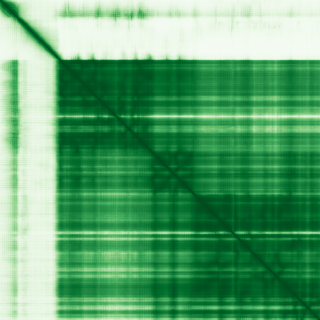
Predicted protein structure

Clinical relevance (Genomics England PanelApp)

Diagnostic Grade (Green)

  • Acute rhabdomyolysis

    BIALLELIC, autosomal or pseudoautosomal
  • DDG2P

    BIALLELIC, autosomal or pseudoautosomal
  • Likely inborn error of metabolism

    BIALLELIC, autosomal or pseudoautosomal
  • Mitochondrial disorders

    BIALLELIC, autosomal or pseudoautosomal
  • Possible mitochondrial disorder - nuclear genes

    BIALLELIC, autosomal or pseudoautosomal
  • Rhabdomyolysis and metabolic muscle disorders

    BIALLELIC, autosomal or pseudoautosomal
  • Childhood onset dystonia, chorea or related movement disorder

  • Fetal anomalies

    BIALLELIC, autosomal or pseudoautosomal

+1 more panels — install the extension to see the full list inline on any page.

Disease associations (Open Targets)

  • myopathy with abnormal lipid metabolism

    0.76
  • multiple acyl-CoA dehydrogenase deficiency

    0.53
  • glutaric aciduria

    0.52
  • neurodegenerative disease

    0.50
  • multiple acyl-CoA dehydrogenase deficiency, severe neonatal type

    0.37
  • multiple acyl-CoA dehydrogenase deficiency, mild type

    0.37
  • osteoarthritis

    0.19
  • hereditary disease

    0.19
  • hepatocellular carcinoma

    0.10
  • neoplasm

    0.09

Score is the Open Targets composite evidence score (0-1). Higher = stronger gene-disease association.

Protein function (UniProt)

Bifunctional FAD diphosphatase/FAD synthase

This enzyme has two activities: FAD diphosphatase activity and FAD synthase activity (PubMed:16643857, PubMed:21924249, PubMed:21951714, PubMed:23443125, PubMed:25135855, PubMed:26277395, PubMed:27259049, PubMed:31351152, PubMed:38688286). FAD diphosphatase acts on FAD and NADH to produce FMN and NMNH(2-), respectively (PubMed:26277395, PubMed:31351152, PubMed:38688286). FAD synthase catalyzes the adenylation of flavin mononucleotide (FMN) to form flavin adenine dinucleotide (FAD) coenzyme (PubMed:16643857, PubMed:21924249, PubMed:21951714, PubMed:23443125, PubMed:27259049, PubMed:38688286). In addition to its catalytic activities, the protein also facilitates the delivery of FAD to client apo-flavoproteins (PubMed:25954742). The balance between FAD synthesis and hydrolysis may be regulated by redox-sensing cysteine residues (PubMed:25135855, PubMed:26277395). At a much lower rate, FAD synthase catalyzes the reverse pyrophosphorolytic reaction (PubMed:21951714, PubMed:23443125, PubMed:25135855, PubMed:26277395). FAD synthase can also convert roseoflavin mononucleotide (RoFMN) to roseoflavin adenine dinucleotide (RoFAD); RoFMN is produced by riboflavin kinase when acting on the antibiotic roseoflavin (RoF) (PubMed:21924249). FAD synthase cannot convert 8-demethyl-8-amino-riboflavin mononucleotide (AFMN) to 8-demethyl-8-amino-riboflavin adenine dinucleotide (AFAD); AFMN is produced by riboflavin kinase when acting on the antibiotic 8-demethyl-8-amino-riboflavin (AF) (PubMed:21924249)

Data sources: HGNC (CC BY 4.0), AlphaFold (CC BY 4.0, Jumper et al. Nature 2021), Genomics England PanelApp (CC BY 4.0), ClinGen, Open Targets (CC0), UniProt.

Not for sole clinical decision-making. Always verify against primary sources.