Skip to content
GenoLensGenoLens

FLNB

Chr 3p14.3

filamin B

Aliases:
TAP, TABP, ABP-278, FH1
MANE:
ENST00000295956.9

Annotations refreshed 1 month ago.

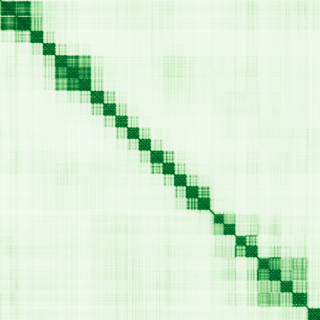
Predicted protein structure

Clinical relevance (Genomics England PanelApp)

Diagnostic Grade (Green)

  • Arthrogryposis

    BOTH monoallelic and biallelic, autosomal or pseudoautosomal
  • Clefting

    BOTH monoallelic and biallelic, autosomal or pseudoautosomal
  • DDG2P

    BOTH monoallelic and biallelic, autosomal or pseudoautosomal
  • Fetal anomalies

    BOTH monoallelic and biallelic, autosomal or pseudoautosomal
  • Skeletal dysplasia

    BOTH monoallelic and biallelic, autosomal or pseudoautosomal
  • Bilateral congenital or childhood onset cataracts

    BIALLELIC, autosomal or pseudoautosomal
  • Intellectual disability

    BOTH monoallelic and biallelic, autosomal or pseudoautosomal
  • Rare syndromic craniosynostosis or isolated multisuture synostosis

+1 more panels — install the extension to see the full list inline on any page.

Disease associations (Open Targets)

  • Larsen syndrome

    0.83
  • atelosteogenesis type I

    0.76
  • spondylocarpotarsal synostosis syndrome

    0.76
  • atelosteogenesis type III

    0.76
  • Boomerang dysplasia

    0.72
  • Autosomal dominant Larsen syndrome

    0.67
  • Spondylocarpotarsal synostosis

    0.66
  • Joubert syndrome and related disorders

    0.48
  • open-angle glaucoma

    0.46
  • hereditary disease

    0.42

Score is the Open Targets composite evidence score (0-1). Higher = stronger gene-disease association.

Protein function (UniProt)

Filamin-B

Connects cell membrane constituents to the actin cytoskeleton. May promote orthogonal branching of actin filaments and links actin filaments to membrane glycoproteins. Anchors various transmembrane proteins to the actin cytoskeleton. Interaction with FLNA may allow neuroblast migration from the ventricular zone into the cortical plate. Various interactions and localizations of isoforms affect myotube morphology and myogenesis. Isoform 6 accelerates muscle differentiation in vitro

Data sources: HGNC (CC BY 4.0), AlphaFold (CC BY 4.0, Jumper et al. Nature 2021), Genomics England PanelApp (CC BY 4.0), ClinGen, Open Targets (CC0), UniProt.

Not for sole clinical decision-making. Always verify against primary sources.