
AlphaFold predicted structure
FN1 · P02751
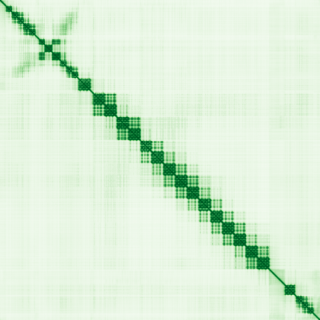
Mean pLDDT
69.6/ 100
Low
2,477 residues
Confidence breakdown
- Very high(≥ 90)5%
- Confident(70–90)56%
- Low(50–70)23%
- Very low(< 50)17%
Open interactive 3D viewer
AlphaFold (Jumper et al., 2021) · CC BY 4.0
fibronectin 1
Annotations refreshed 2 months ago.
Diagnostic Grade (Green)
DDG2P
MONOALLELIC, autosomal or pseudoautosomal, imprinted status unknownFetal anomalies
MONOALLELIC, autosomal or pseudoautosomal, imprinted status unknownProteinuric renal disease
MONOALLELIC, autosomal or pseudoautosomal, NOT imprintedSkeletal dysplasia
MONOALLELIC, autosomal or pseudoautosomal, NOT imprintedspondylometaphyseal dysplasia, 'corner fracture' type
glomerulopathy with fibronectin deposits 2
cancer
coronary artery disorder
Noonan syndrome
hypertrophic cardiomyopathy
Costello syndrome
fibronectin glomerulopathy
coronary atherosclerosis
bacterial infectious disease
Score is the Open Targets composite evidence score (0-1). Higher = stronger gene-disease association.
Fibronectin
Fibronectins bind cell surfaces and various compounds including collagen, fibrin, heparin, DNA, and actin (PubMed:3024962, PubMed:3593230, PubMed:3900070, PubMed:7989369). Fibronectins are involved in cell adhesion, cell motility, opsonization, wound healing, and maintenance of cell shape (PubMed:3024962, PubMed:3593230, PubMed:3900070, PubMed:7989369). Involved in osteoblast compaction through the fibronectin fibrillogenesis cell-mediated matrix assembly process, essential for osteoblast mineralization (By similarity). Participates in the regulation of type I collagen deposition by osteoblasts (By similarity). Acts as a ligand for the LILRB4 receptor, inhibiting FCGR1A/CD64-mediated monocyte activation (PubMed:34089617)
Curated MONDO disease pages that list FN1 among their top associated genes.
FN1 · P02751
Mean pLDDT
69.6/ 100
Low
2,477 residues
Confidence breakdown
AlphaFold (Jumper et al., 2021) · CC BY 4.0