
AlphaFold predicted structure
FPR1 · P21462
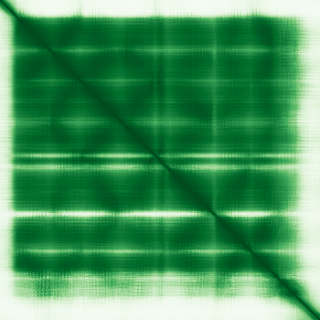
Mean pLDDT
83.8/ 100
Confident
350 residues
Confidence breakdown
- Very high(≥ 90)57%
- Confident(70–90)25%
- Low(50–70)9%
- Very low(< 50)9%
Open interactive 3D viewer
AlphaFold (Jumper et al., 2021) · CC BY 4.0
formyl peptide receptor 1
Annotations refreshed 2 months ago.
Diagnostic Grade (Green)
COVID-19 research
BIALLELIC, autosomal or pseudoautosomalPrimary immunodeficiency or monogenic inflammatory bowel disease
BIALLELIC, autosomal or pseudoautosomalperiodontitis
periodontitis, aggressive
Alzheimer disease
Parkinson disease
neurodegenerative disease
multiple sclerosis
lysosomal storage disease
gingival disorder
lung adenocarcinoma
prostate cancer
Score is the Open Targets composite evidence score (0-1). Higher = stronger gene-disease association.
N-formyl peptide receptor 1
Pattern recognition G protein-coupled receptor (PRR/GPCR) involved in innate recognition of N-formyl-methionyl peptides derived from invading microbes and host mitochondria as pathogen- and damage-associated molecular patterns (PAMPs and DAMPs). Functions as a sensor of PAMPs and DAMPs released upon microbial infection or tissue damage, triggering immune cell activation and chemotaxis to eliminate pathogens and restore tissue homeostasis (PubMed:24108355, PubMed:25605714, PubMed:35217703, PubMed:36064945). Peptide binding leads to conformational changes coupled to heterotrimeric G(i) protein signaling. Upon GDP to GTP conversion, G(i)-alpha subunit dissociates from G-beta and G-gamma subunits. Free G(i)-alpha subunit inhibits cyclic adenylate cyclase and cAMP synthesis whereas the G-beta and G-gamma dimer activates downstream phospholipase C-beta and phosphoinositide 3-kinase signaling cascades leading to Ca(2+) influx (PubMed:10514456, PubMed:15153520, PubMed:1712023, PubMed:25605714, PubMed:35217703, PubMed:36064945). Displays two affinity states for peptide agonists, low and high, likely accounting for selective signaling of myeloid cell functions at different phases of the inflammatory response. Subnanomolar concentrations of peptide agonists induce myeloid cell chemotaxis, whereas micromolar concentrations trigger degranulation and superoxide production (PubMed:2161213, PubMed:2176894, PubMed:24108355, PubMed:25605714). May recognize a myriad of bacterial signal peptides indicative of an evolutionary conserved detection mechanism in host defense against bacterial infection. Triggers bactericidal functions of neutrophils and phagocytes in response to N-formyl-Met-Leu-Phe (fMLF) which is part of the signal peptide sequences of hundreds distinct bacterial strains (PubMed:25605714). In the homeostatic wound healing response to tissue injury, senses 'necrotaxis' DAMP-type signals released in the form of mitochondria-derived N-formylated peptides and guides neutrophil trafficking toward necrotic cells within the injury site (By similarity). In the context of antitumor immunity, interacts with ANXA1 and guides dendritic cell positioning in close proximity to necrotic tumor cells, allowing for tumor-associated antigen uptake and cross-presentation to T cells (PubMed:24108355, PubMed:26516201). Receptor for TAFA4, mediates its effects on chemoattracting macrophages, promoting phagocytosis and increasing reactive oxygen species (ROS) release (PubMed:25109685). Receptor for cathepsin CTSG, leading to increased phagocyte chemotaxis (PubMed:15210802). Beyond canonical N-terminal formylated peptide agonists, can also be activated by C-terminal amidated peptides, which appear to all share a tripartite structure motif oriented around a carboxyl group (PubMed:24108355, PubMed:25605714). Differential signaling is also defined by receptor oligomerization state. Pro-resolving ligands, such as lipoxin A4 or ANXA1, induce the formation of FPR1:FPR2 heterodimers triggering proapoptotic JNK pathway in neutrophils (PubMed:24108355)
FPR1 · P21462
Mean pLDDT
83.8/ 100
Confident
350 residues
Confidence breakdown
AlphaFold (Jumper et al., 2021) · CC BY 4.0