
AlphaFold predicted structure
FPR2 · P25090
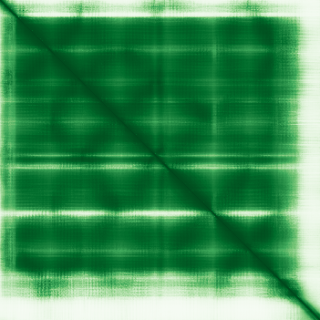
Mean pLDDT
84.8/ 100
Confident
351 residues
Confidence breakdown
- Very high(≥ 90)66%
- Confident(70–90)19%
- Low(50–70)4%
- Very low(< 50)12%
Open interactive 3D viewer
AlphaFold (Jumper et al., 2021) · CC BY 4.0
formyl peptide receptor 2
Annotations refreshed 3 months ago.
Diagnostic Grade (Green)
COVID-19 research
UnknownPrimary immunodeficiency or monogenic inflammatory bowel disease
neurodegenerative disease
lung adenocarcinoma
Sepsis
infection
ovarian carcinoma
glioblastoma
ovarian cancer
gastric cancer
atherosclerosis
atrial fibrillation
Score is the Open Targets composite evidence score (0-1). Higher = stronger gene-disease association.
N-formyl peptide receptor 2
Pattern recognition G protein-coupled receptor (GPCR) that recognizes peptides with N-terminal formyl methionine, which are derived from invading pathogens or host mitochondria as pathogen or damage-associated molecular patterns (PAMPs and DAMPs) (PubMed:1374236, PubMed:25605714, PubMed:35217703). Preferentially recognizes longer peptides or peptides with specific sequences such as the phenol-soluble modulin (PSM) family of formylated peptide toxins produced by Staphylococcus aureus (PubMed:30098280). Ligand binding causes a conformation change that triggers signaling via G(i)/GNAI1 inhibiting adenylate cyclase activity, leading to decreased intracellular cAMP levels (PubMed:40080544). In addition, can recognize a variety of chemically distinct endogenous ligands including proteins and lipids besides formylpeptides and thereby plays multiple roles in inflammation. Acts as a receptor for the chemokine-like protein FAM19A5, mediating FAM19A5-stimulated macrophage chemotaxis and the inhibitory effect on TNFSF11/RANKL-induced osteoclast differentiation (By similarity). Acts also as a ceramide membrane receptor, and long-chain ceramides (C14 to C20) binding induces conformational changes that inhibits diet-induced adipose thermogenesis (PubMed:40080544). Participates in neuroprotection via interaction with humanin/MT-RNR2 and Amyloid-beta protein 42, product of APP (PubMed:11689470, PubMed:35365641). Differential signaling is also defined by receptor oligomerization state. Binding of ANXA1 to FPR2 homodimer elicits activation of p38 MAPKinase pathway leading to HSPB1/HSP27 phosphorylation and IL10 production in monocytes. Whereas agonistic activation of FPR1:FPR2 heterodimers signals a proapoptotic JNK pathway in neutrophils
FPR2 · P25090
Mean pLDDT
84.8/ 100
Confident
351 residues
Confidence breakdown
AlphaFold (Jumper et al., 2021) · CC BY 4.0