Skip to content
GenoLensGenoLens

FREM2

Chr 13q13.3

FRAS1 related extracellular matrix 2

Aliases:
DKFZp686J0811
MANE:
ENST00000280481.9

Annotations refreshed 1 month ago.

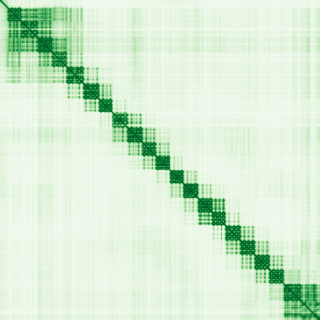
Predicted protein structure

Clinical relevance (Genomics England PanelApp)

Diagnostic Grade (Green)

  • Anophthalmia or microphthalmia

    BIALLELIC, autosomal or pseudoautosomal
  • CAKUT

    BIALLELIC, autosomal or pseudoautosomal
  • DDG2P

    BIALLELIC, autosomal or pseudoautosomal
  • Deafness and congenital structural abnormalities

    BIALLELIC, autosomal or pseudoautosomal
  • Fetal anomalies

    BIALLELIC, autosomal or pseudoautosomal
  • Limb disorders

    BIALLELIC, autosomal or pseudoautosomal
  • Structural eye disease

    BIALLELIC, autosomal or pseudoautosomal
  • Unexplained kidney failure in young people

    BIALLELIC, autosomal or pseudoautosomal

+5 more panels — install the extension to see the full list inline on any page.

Disease associations (Open Targets)

  • Fraser syndrome

    0.81
  • isolated cryptophthalmia

    0.70
  • hair color

    0.47
  • Unilateral renal agenesis

    0.45
  • renal agenesis

    0.39
  • oculotrichoanal syndrome

    0.39
  • polydactyly

    0.37
  • eye disorder

    0.37
  • renal agenesis, unilateral

    0.37
  • complete cryptophthalmia

    0.37

Score is the Open Targets composite evidence score (0-1). Higher = stronger gene-disease association.

Protein function (UniProt)

FRAS1-related extracellular matrix protein 2

Extracellular matrix protein required for maintenance of the integrity of the skin epithelium and for maintenance of renal epithelia (PubMed:15838507). Required for epidermal adhesion (PubMed:15838507). Involved in the development of eyelids and the anterior segment of the eyeballs (PubMed:29688405, PubMed:30802441)

Curated MONDO disease pages that list FREM2 among their top associated genes.

Data sources: HGNC (CC BY 4.0), AlphaFold (CC BY 4.0, Jumper et al. Nature 2021), Genomics England PanelApp (CC BY 4.0), ClinGen, Open Targets (CC0), UniProt.

Not for sole clinical decision-making. Always verify against primary sources.