
AlphaFold predicted structure
FTH1 · P02794
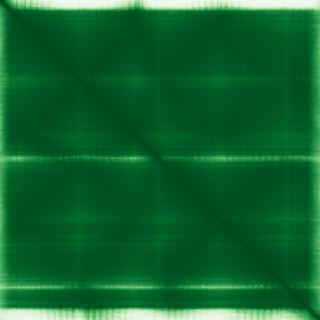
Mean pLDDT
95.3/ 100
Very high
183 residues
Confidence breakdown
- Very high(≥ 90)93%
- Confident(70–90)2%
- Low(50–70)2%
- Very low(< 50)3%
Open interactive 3D viewer
AlphaFold (Jumper et al., 2021) · CC BY 4.0
ferritin heavy chain 1
Annotations refreshed 3 months ago.
Diagnostic Grade (Green)
Ataxia and cerebellar anomalies - narrow panel
MONOALLELIC, autosomal or pseudoautosomal, imprinted status unknownIron metabolism disorders - NOT common HFE mutations
MONOALLELIC, autosomal or pseudoautosomal, imprinted status unknownneurodegeneration with brain iron accumulation 9
hemochromatosis type 5
FTH1-related iron overload
Retinal dystrophy
autosomal recessive bestrophinopathy
vitelliform macular dystrophy 2
autosomal dominant vitreoretinochoroidopathy
Stargardt disease
retinitis pigmentosa 50
severe early-childhood-onset retinal dystrophy
Score is the Open Targets composite evidence score (0-1). Higher = stronger gene-disease association.
Ferritin heavy chain
Stores iron in a soluble, non-toxic, readily available form. Important for iron homeostasis. Has ferroxidase activity (PubMed:9003196). Iron is taken up in the ferrous form and deposited as ferric hydroxides after oxidation (PubMed:9003196). Also plays a role in delivery of iron to cells (By similarity). Mediates iron uptake in capsule cells of the developing kidney (By similarity). Delivery to lysosomes is mediated by the cargo receptor NCOA4 for autophagic degradation and release of iron (PubMed:24695223, PubMed:26436293)
Curated MONDO disease pages that list FTH1 among their top associated genes.
FTH1 · P02794
Mean pLDDT
95.3/ 100
Very high
183 residues
Confidence breakdown
AlphaFold (Jumper et al., 2021) · CC BY 4.0