
AlphaFold predicted structure
G6PC3 · Q9BUM1
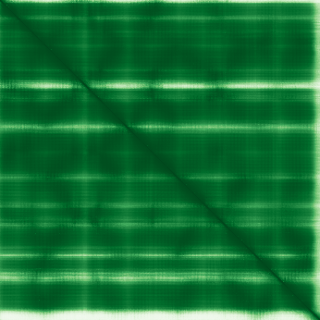
Mean pLDDT
92.8/ 100
Very high
346 residues
Confidence breakdown
- Very high(≥ 90)84%
- Confident(70–90)12%
- Low(50–70)2%
- Very low(< 50)1%
Open interactive 3D viewer
AlphaFold (Jumper et al., 2021) · CC BY 4.0
glucose-6-phosphatase catalytic subunit 3
Annotations refreshed 2 months ago.
Diagnostic Grade (Green)
Congenital disorders of glycosylation
BIALLELIC, autosomal or pseudoautosomalCOVID-19 research
BIALLELIC, autosomal or pseudoautosomalCytopenia - NOT Fanconi anaemia
BIALLELIC, autosomal or pseudoautosomalCytopenias and congenital anaemias
BIALLELIC, autosomal or pseudoautosomalFetal anomalies
BIALLELIC, autosomal or pseudoautosomalInfantile enterocolitis & monogenic inflammatory bowel disease
BIALLELIC, autosomal or pseudoautosomalLikely inborn error of metabolism
BIALLELIC, autosomal or pseudoautosomalPrimary immunodeficiency or monogenic inflammatory bowel disease
BIALLELIC, autosomal or pseudoautosomal+4 more panels — install the extension to see the full list inline on any page.
autosomal recessive severe congenital neutropenia due to G6PC3 deficiency
severe congenital neutropenia
immunodeficiency disease
hereditary disease
neurodegenerative disease
infection
autosomal dominant severe congenital neutropenia
isolated agammaglobulinemia
glioblastoma
autosomal agammaglobulinemia
Score is the Open Targets composite evidence score (0-1). Higher = stronger gene-disease association.
Glucose-6-phosphatase 3
Hydrolyzes glucose-6-phosphate to glucose in the endoplasmic reticulum. May form with the glucose-6-phosphate transporter (SLC37A4/G6PT) a ubiquitously expressed complex responsible for glucose production through glycogenolysis and gluconeogenesis. Probably required for normal neutrophil function
G6PC3 · Q9BUM1
Mean pLDDT
92.8/ 100
Very high
346 residues
Confidence breakdown
AlphaFold (Jumper et al., 2021) · CC BY 4.0